What Boundaries Actually Do
Setting boundaries often gets misunderstood as being overly strict or controlling. But in reality, boundaries offer something powerful: a sense of safety, consistency, and mutual respect. When done thoughtfully, they lay the groundwork for children to grow into capable, emotionally intelligent adults.
Boundaries Create a Sense of Safety
Boundaries give children a clear understanding of what to expect from the world around them.
Routine and consistency help reduce anxiety
Clear limits help kids understand what’s expected
Predictable consequences teach responsibility
Rather than feeling restricted, many children feel reassured by knowing where the lines are drawn. It sends the message: “I care enough to guide you.”
Emotional Security and Social Awareness
Healthy boundaries also support key emotional and social skills:
They teach kids how to regulate their behavior in different settings
Boundaries create space for healthy expression of feelings
They model how to respect others’ limits important for friendships and relationships
When parents communicate boundaries with empathy, children learn that feelings are valid but behaviors still have limits.
Respect, Not Control
Clear, consistent rules are not about exercising dominance they’re about showing respect.
Boundaries acknowledge a child’s need for guidance, not perfection
They let kids know you trust them to rise to reasonable expectations
Enforcing rules fairly teaches accountability, not fear
Ultimately, boundaries are a gift. They create the secure environment children need to explore, make mistakes, and grow with the confidence that someone strong and steady is walking beside them.
Start Early, Adjust Often
Boundaries don’t come with a one size fits all template. The rules that work for a toddler will flop with a teen and vice versa. Kid by kid, stage by stage, the goal stays the same: clear limits that make sense for where they are developmentally.
For toddlers, it’s all about clarity and repetition. Simple rules like “no hitting” or “toys stay in the bin” paired with calm, consistent consequences teach cause and effect. They don’t need complex explanations they need predictability they can count on.
School age kids have more reasoning power, but they still crave structure. This is the time to invite their voice into small decision making what time homework gets done, how screen time is earned but parents still define the bigger boundaries. This scaffolding helps them start seeing rules as fair, not arbitrary.
By the teen years, negotiation becomes part of the equation. They want more freedom, and that’s fine as long as the boundaries flex without disappearing. Mutual respect matters: let them challenge rules as long as they do it respectfully. Explain your reasoning. Listen more, but don’t back off completely. Teens still need guardrails, even as they inch toward independence.
The key is evolution. A boundary that worked last year might feel controlling now. Check in. Reassess. When rules grow with your kid, they’re more likely to respect the process and you.
Common Mistakes Parents Make
Most boundary struggles come down to balance or the lack of it. Being too rigid can make a home feel tense and controlling. Kids start hiding things, not because they’re bad, but because they can’t breathe. Swing too far the other way and you’re in chaos. Without clear limits, kids feel unsafe, unsure of where the line is and they’ll keep pushing until they find it.
Then there’s the classic: setting rules you don’t enforce. It teaches kids that boundaries are optional. If bedtime means 8 p.m. one night and 10:30 the next, that rule loses all weight. Consistency sounds boring, but it builds trust.
And maybe the most overlooked mistake? Missing the emotion underneath the behavior. A tantrum isn’t just noise. A teen slamming the door isn’t always rebellion. Sometimes, it’s a signal they need connection, not just correction. The behavior’s the surface look deeper.
Communication is Everything
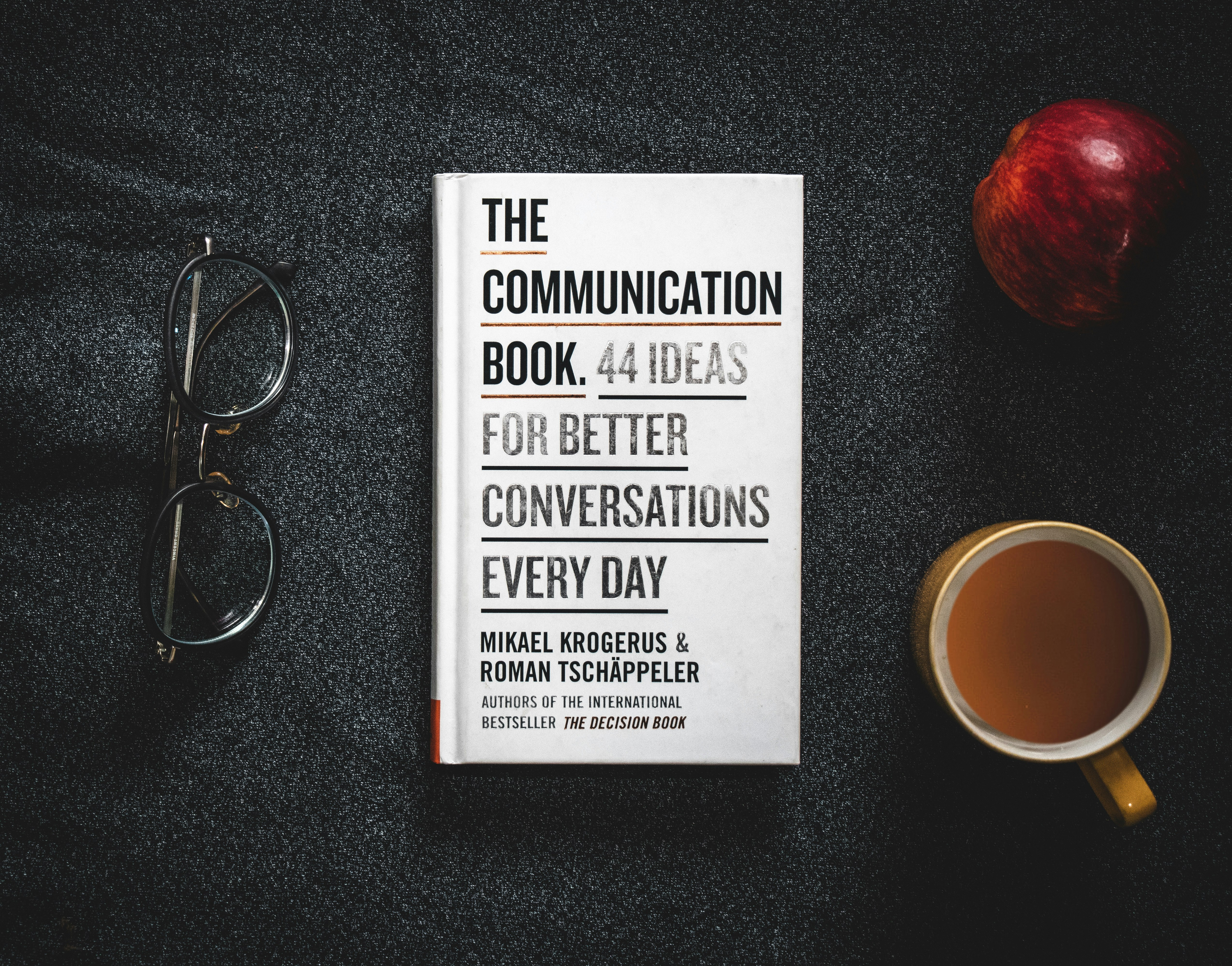
Clear communication transforms boundaries from something that feels restrictive into something that builds trust and understanding. Kids are far more likely to respect limits when they understand the reasons behind them and when they feel heard in the process.
Explain the “Why,” Not Just the “What”
Instead of simply laying down a rule, take a moment to explain the reasoning. It shows respect for your child’s intelligence and helps them internalize values, not just follow commands.
“You can’t stay up late because your body needs rest to feel good and focus tomorrow.”
“We don’t hit because it hurts others and breaks trust in our relationships.”
When kids know the “why,” the boundary becomes meaningful, not arbitrary.
Invite Questions, Don’t Dismiss Them
Kids are naturally curious especially when faced with limitations. Use their questions as learning moments, not challenges to your authority.
Respond with openness: “That’s a good question, let’s talk about it.”
Avoid shutting them down: instead of “Because I said so,” try, “Let me explain why that matters.”
This encourages open dialogue and helps them learn to express their own boundaries respectfully, too.
Calm, Clear, and Consistent Language
Tone matters. No matter how frustrated you feel, your delivery influences how your message is received.
Stay calm, even if your child is upset or fussing
Use clear, short sentences without sarcasm or threats
Link consequences directly to the behavior, not to your mood
When you model emotional control while setting limits, your child learns how to respond instead of react.
Need More Help?
For deeper insights on how to approach tough conversations and connect with your child, check out this guide to effective parent communication.
Strong communication doesn’t mean being permissive it means making boundaries a two way street built on mutual respect.
Tips That Work for Every Age
Setting healthy boundaries isn’t just about creating rules it’s about interacting with your child in a way that teaches, models, and builds mutual respect. These timeless principles apply across every stage of development.
Stay Calm During Pushback
When kids resist boundaries, it’s not always about defiance it can be confusion, frustration, or independence testing the waters. Your calm response sets the tone.
Take a breath before responding to boundary violations
Avoid emotional overreactions, even when they push buttons
Remember: your demeanor teaches them how to manage their own emotions
Consistency is Key
Kids often test boundaries to confirm they’re real and consistent. Keep expectations steady, especially during challenging times.
Enforce rules the same way every time
Repetition builds understanding and trust
Don’t confuse flexibility with inconsistency
Set the Example
Children learn more from observation than instruction. Your actions should mirror the boundaries you expect them to respect.
Show how you manage your own time, emotions, and responsibilities
Demonstrate respectful communication even during conflict
When you set limits for yourself, kids are more willing to accept theirs
Mutual Respect Goes Both Ways
Healthy boundaries aren’t about control they’re about mutual respect. Reinforcing respect encourages responsibility.
Acknowledge your child’s feelings without dismissing them
Uphold expectations without shaming or scolding
Teach them that respect includes speaking and listening on both sides
Boundaries become meaningful when they are lived out daily, not just enforced. These foundational habits help kids of any age feel secure, respected, and understood.
When They Push Back (Because They Will)
Pushback is part of the deal. Especially during life transitions starting school, hitting puberty, moving homes kids test boundaries harder. It’s not always defiance; it’s often confusion, stress, or just needing to feel in control of something.
Your job is to hold steady. Not with threats or raised voices, but with a calm, clear line. You don’t need to explain the rule every time, but empathy goes a long way: “I get that this feels frustrating. But the rule still stands.”
Moments like these aren’t just discipline opportunities they’re trust building ones. When kids see that boundaries don’t mean punishment but protection, it builds emotional security. Stable limits tell them, without words, that you’re someone they can depend on.
And yes, it circles back again to communication. If you need a deeper toolkit for those tough conversations, check out this guide on effective parent communication.
A Balanced Approach Pays Off
Setting and keeping healthy boundaries isn’t just about getting through the day without chaos. It’s about shaping kids who know who they are, what they value, and how to handle life’s friction. Boundaries give them a stable foundation. When kids know the limits and understand the reasons behind them they grow more confident, responsible, and emotionally equipped to face the world.
This isn’t about controlling every move. It’s about modeling self respect and teaching the skills that carry into adulthood: how to say no, how to listen, how to stand firm without shutting down. These lessons don’t show up as dramatic breakthroughs but in quiet, everyday choices. And long after the bedtime battles and screen time negotiations, those choices matter. Good boundaries now build better humans later.