Why Play Fuels Language Growth
Preschoolers don’t learn best by memorizing flashcards or sitting through drills they learn by doing. Play isn’t just fun; it’s how young brains make sense of the world. Every time a child makes a puppet talk, pretends to run a store, or re enacts a story, they’re making real connections between words, emotions, and concepts.
Pretend play and storytelling naturally invite new language. A simple game of playing doctor can introduce terms like “thermometer,” “check up,” and “pulse.” Games add rhythm, repetition, and excitement, which helps kids lock in new words without even realizing they’re learning.
And here’s where it really clicks: when communication is tied to emotions and curiosity, it sticks. If a child is laughing, solving a problem, or inventing imaginary worlds while talking they’re dialed in. That’s when language development isn’t just happening. It’s thriving.
Top Play Activities that Spark Language
Play is where language comes alive. When kids are pretending, singing, building, or listening, they’re not just having fun they’re wiring their brains for communication.
Role play & imaginative games: These are language goldmines. Whether it’s pretending to run a vet clinic or being pirates on a cardboard ship, kids create characters, invent conversations, and solve problems using words. It’s storytelling in motion.
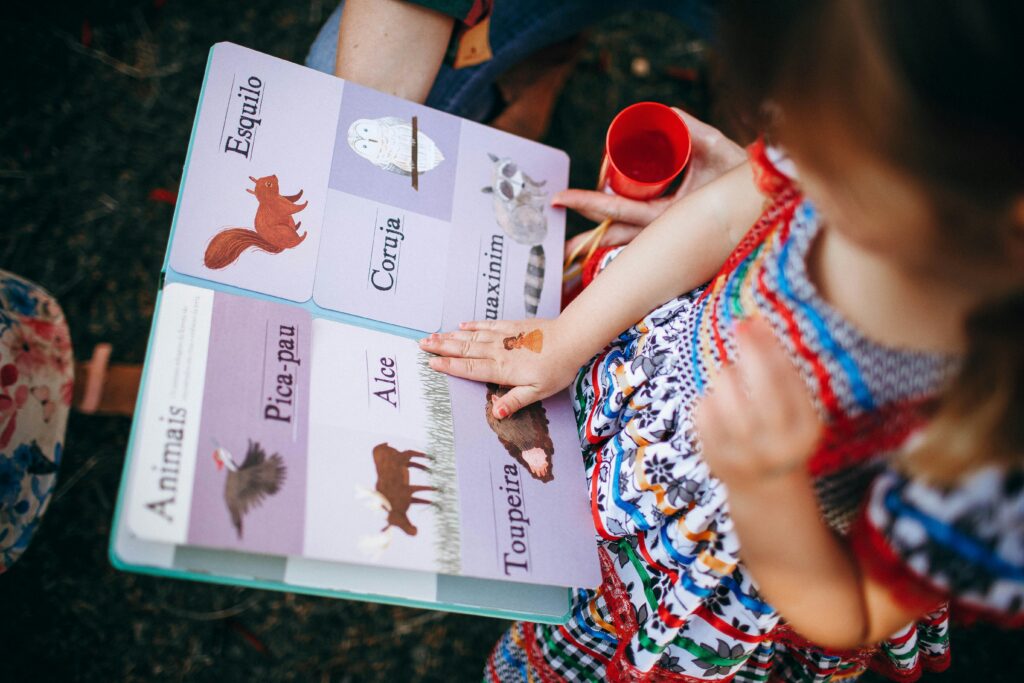
Storytime & book based play: Reading a book is good. Acting it out is better. Turn a story into a mini play using toys, props, or funny voices. When kids extend a story beyond the page, they learn to sequence events, recall new words, and build their own narratives.
Songs and rhymes with gestures: Music locks language into memory. Hand motions add rhythm and make sounds easier to understand. Classic songs like “The Wheels on the Bus” or “Itsy Bitsy Spider” teach sentence structure, rhyme, and word patterns naturally.
Building toys & puzzles together: These quiet moments are full of language opportunities. Describe what you’re building. Ask about shapes, sizes, or where a puzzle piece might go. Narrate the process. This kind of back and forth builds vocabulary and boosts spatial language too.
Keep it natural. Keep it relaxed. The goal isn’t scripted lessons it’s filling fun, shared playtime with rich words and conversation.
How to Play with Intention
Being intentional with play isn’t about turning it into a lesson it’s about staying present and using every moment as an opportunity to build language. Start by following your child’s lead. If they’re pretending a block is a phone, roll with it. Describe what you’re doing out loud as you join in: “I’m calling Grandma. She says she made cookies.” This kind of narration invites them to step deeper into the story.
Ask open ended questions that leave space for creativity. Instead of yes or no prompts, try things like, “What should happen next?” or “What do you think the bear is feeling?” These help stretch their thinking and vocabulary without pressure. When they respond, repeat their words and gently expand on them. If they say, “He’s mad,” you might offer, “He’s mad because someone took his toy. That made him feel frustrated.”
The key is balance. Be a partner, not the director. It’s easy to hijack the game with adult ideas, but that dulls their voice. Stay verbal, stay involved, but leave room for them to drive and grow.
Everyday Tools That Make a Big Difference
You don’t need pricey educational toys to build strong language skills just a little imagination and a willingness to talk it out. Everyday items turn into teaching tools fast. A spoon can be a microphone for morning concerts. A pile of laundry becomes a mountain to climb with a story to tell. Empty boxes? Castles, spaceships, or diners waiting for your preschooler’s order.
Set up a simple “talk spot” in the house a corner with a few books, stuffed animals, and open ended toys. This is a zone for storytelling, puppet shows, or just chatting about the day. Keep it relaxed. The goal isn’t to teach, it’s to invite language to unfold naturally.
And don’t underestimate the power of narrating your routines. Whether you’re sorting groceries or putting on socks, say what you’re doing and ask your child to chime in. Pretend you’re both reporters covering the day’s adventures. They learn by hearing and trying, not by being corrected. Keep the tone light, get silly, and stay present. The words will come.
When to Look for Support
Play is powerful but it’s not a magic fix all. Some kids need a little extra help, and that’s okay. If your preschooler talks less than most kids their age, gets frustrated trying to express ideas, or doesn’t seem to follow simple directions during play, it may be time to take a closer look.
You don’t need a checklist or stopwatch to know how your child is doing. Just stay curious. Are they using new words over time? Can they carry a back and forth conversation, even a short one? You’re not looking for perfection just steady signs of progress.
If things feel stuck, trust your gut and talk to a pediatrician or speech language pathologist. Getting support early can make a big difference, and it doesn’t mean giving up on play it just means giving it a little backup.
For more strategies tailored to younger children, explore enhancing toddler language.
Final Tips for Parents
Progress in language isn’t about drilling flashcards. It’s about showing up consistently, patiently, and playfully. Real growth happens when your child feels heard, encouraged, and free to explore their voice without pressure. So skip the flashcards. Talk, laugh, pause to listen. Simple, caring interaction always wins.
Keep things fresh. You don’t need a room full of new toys just rotate what’s already there. A toy tucked away for a week feels brand new when it reappears. Curiosity spikes, and with it, more chances for dialogue.
Above all, remember this: play isn’t a break from learning it is the learning. When kids build a tower and explain their choices, when they give voices to stuffed animals, when they ask you to be the dragon they’re not just playing. They’re building confidence, experimenting with language, and practicing conversation in the safest, most natural way.
Want more expert insight beyond preschoolers? Dive into helpful advice for toddlers at enhancing toddler language.