
I scroll through wellness posts and feel dumber every time.
Not inspired. Not calmer. Just tired of decoding what “wellness” actually means when my kid spills juice on my yoga mat at 7 a.m.
You’re not alone. You’ve seen the same posts. Glowing skin, silent mornings, perfect meal prep.
All while your calendar is full of school drop-offs and dentist appointments.
That’s why I stopped reading influencer feeds and started watching real families. For years, I’ve tracked how wellness shifts inside homes (not) on Instagram grids.
Most advice ignores shared schedules. It forgets that energy isn’t infinite. It pretends caregiving doesn’t reshape your body and mind daily.
These fitness news llblogfamily aren’t aspirational (they’re) adaptive.
They show up in lunchbox swaps. In five-minute stretches between Zoom calls. In bedtime routines that actually stick.
I don’t follow trends. I follow what works when life doesn’t pause.
This article cuts past vague language and delivers updates tied to real family rhythms.
No fluff. No guilt. Just clear, grounded changes you can test this week.
You’ll know exactly which updates matter (and) which ones to skip.
Because wellness shouldn’t require more time. It should free some up.
Wellness Isn’t Solo (It’s) Shared
I used to think wellness meant quiet mornings and hour-long yoga flows.
Then I had kids.
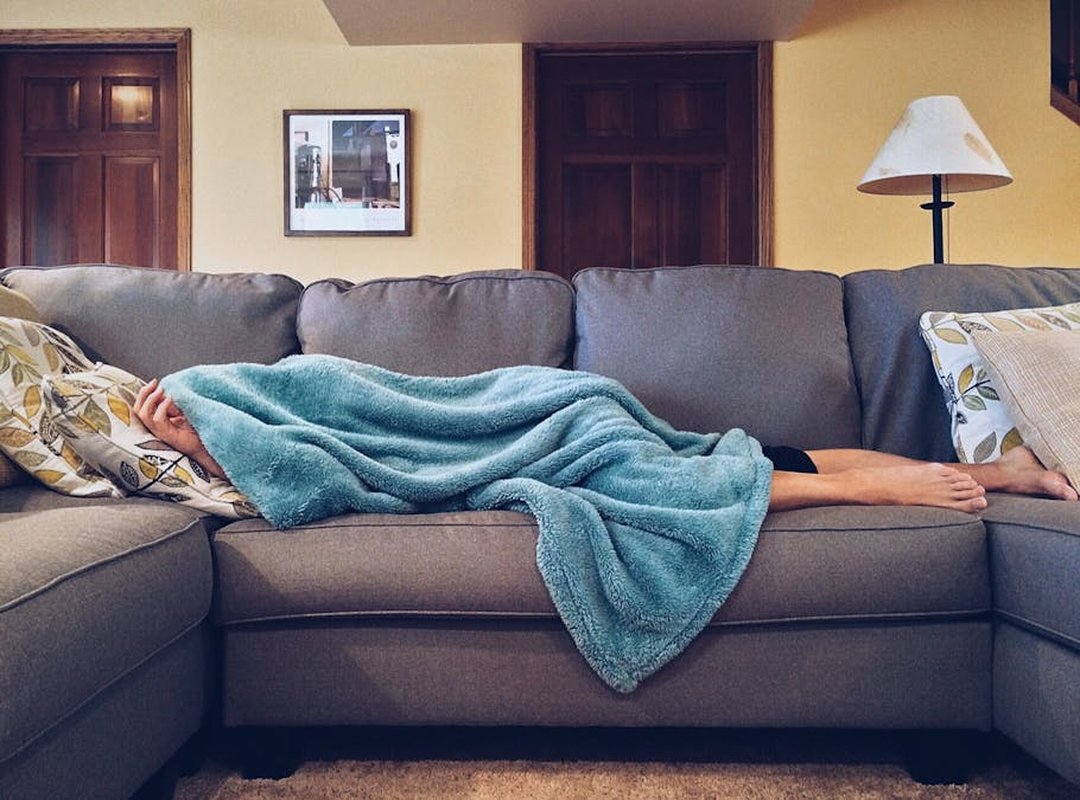
Sleep hygiene? It means napping with your toddler on the couch at 2 p.m. because you both need it. Not some perfect 7-hour stretch.
(Spoiler: that doesn’t exist in a household.)
Movement isn’t a scheduled class (it’s) squats while stirring pasta, lunges while unloading the dishwasher, or walking laps around the kitchen while waiting for the microwave.
That 6 a.m. meditation retreat? Cute. But real life runs on school drop-offs, sibling negotiations, and the 12-minute window between homework and bedtime.
Meal prep isn’t about Instagram-perfect grain bowls. It’s roasted sweet potatoes and chicken nuggets on the same sheet pan. It’s blood sugar balance and getting broccoli into a seven-year-old without a standoff.
I wrote more about this in Health llblogfamily.
Relational wellness is the thing nobody talks about. Your health isn’t separate from theirs. It bends, shifts, and breathes with theirs.
This guide breaks down how to anchor wellness in real family rhythms. Not ideals.
Screen-time rules work only when they reduce friction. Not pile on guilt. Try five minutes of shared stretching before bed instead of another “no screens” lecture.
Fitness news llblogfamily won’t help you here. What helps is showing up, imperfectly, for the people who depend on you.
The 3 Things That Actually Stick: No Fluff, No Fads
I don’t chase wellness trends.
I repeat what works (over) and over. Because life is too loud to reinvent the wheel daily.
First: low-spoon movement. Like the “Couch-to-Carpet” flow: 2 minutes of seated neck rolls, 3 minutes of standing knee lifts while brushing teeth, 2 minutes of wall sits during Zoom calls. No mat.
No playlist. No guilt if you stop at minute one. It survives because it asks for almost nothing (and) gives back real energy.
Second: nutrient-dense snacks built for shared pantries. The “Three-Ingredient Trail Mix”: almonds, dried apricots, and pumpkin seeds. No oven.
No blender. No special labels. Kids grab it.
Grandparents grab it. My neighbor grabbed a handful last Tuesday and asked for the recipe (it’s literally three words).
Third: boundary scripts that land every time. My go-to with teachers: “We’re keeping after-school commitments light this season. I’ll circle back if anything shifts.”
No explanation.
No apology. Just fact + soft door. It sticks because it’s short, kind, and unshakable.
These aren’t “fitness news llblogfamily” headlines. They’re tools worn smooth by use. Not shiny.
Not new. Just true.
Your Rhythm Comes First. Not Their Updates
I used to copy wellness routines like they were gospel. Then I burned out. Twice.
Ask yourself: Does this add calm, clarity, or connection (or) just another thing to track?
If it’s not one of those three, skip it. Full stop.
Your non-negotiable energy window is sacred. Mine is 9:30. 11:30 a.m. No meetings.
No email. Just me and whatever actually works. Find yours.
Guard it like rent money.
Match one update to that window. Not two. Not three.
One. Then remove one existing habit to make space. No stacking.
Stacking is how you end up doing seven things poorly.
A parent working nights doesn’t do “morning light.” They swap it for 20 minutes of red-light exposure after their first shift ends. Simple. Real.
A neurodivergent caregiver drops the shared gratitude journal. And uses voice memos instead. Less pressure.
Same intent.
Don’t copy routines out of context. That “digital sunset” rule? Useless if your job needs evening calls.
(I’ve seen people white-knuckle their phones at 8 p.m. trying to obey it.)
The Health llblogfamily page has solid grounding. But even there, I skimmed half the tips and tossed the rest.
You should too.
“Fitness news llblogfamily” isn’t a checklist. It’s raw material. You decide what sticks.
Your rhythm isn’t negotiable.
Neither is your sanity.
What’s Missing From These Wellness Updates (And How to Fill
You ever read a wellness update and feel… seen? Not really.
I don’t mean “inspired.” I mean seen. Like it accounts for your actual life.
Most don’t. They skip right over chronic illness accommodations. Like you’re supposed to just “push through” fatigue or pain.
(Spoiler: you’re not.)
They ignore financial stress as a wellness barrier. Rent due Friday doesn’t care if your cortisol is “balanced.”
And single-parent households? Treated like an afterthought. No guidance for managing work, kids, meals, and your own nervous system.
All before noon.
Here’s how to patch each gap. Today, free:
- Pair any meal-planning template with a free symptom tracker app. Name what’s happening before you judge what you ate. 2.
Reframe budgeting as energy stewardship. Same logic, different language. Less shame.
More clarity. 3. Try the National Health Services Directory (health.gov/nhsd). Search “sliding-scale therapy” + your ZIP.
Takes 90 seconds.
Filling gaps isn’t about perfection. It’s about naming what’s missing. Then doing one small thing that honors your real life.
That’s where fitness news llblogfamily falls short most often: it assumes uniform energy, time, and access.
It doesn’t. You do.
When to Pause, Pivot, or Pass on a Wellness Update
I tried the 5 a.m. cold plunge trend. Lasted three days. Felt like I’d been run over by a minivan.
Physical exhaustion after trying it? That’s your body shouting no.
Increased family tension around the practice? My partner stopped speaking to me for two hours after I tried “silent breakfast” (turns out silence isn’t peaceful when someone’s chewing loudly).
Persistent mental resistance. Like “I keep forgetting” (isn’t) failure. It’s misalignment.
I swapped my 20-minute yoga flow for seated breathwork during naptime. No mat. No playlist.
Just me, a chair, and 90 seconds of actual consistency.
That shift didn’t fix everything. But it stopped the guilt spiral.
Passing isn’t lazy. It’s strategic self-knowledge. You’re not failing wellness (you’re) filtering noise.
Ask yourself: If I stopped doing this tomorrow, would my baseline well-being dip (or) stay steady?
If the answer is steady, you’ve already answered the real question.
Fitness news llblogfamily often pushes what’s new (not) what fits.
Most updates aren’t broken. You just don’t need them right now.
healthy hacks llblogfamily has the kind of low-friction ideas that stick.
Start Where Your Energy Already Is
I’ve said it before and I’ll say it again: fitness news llblogfamily works because it stops pretending you’ve got time, energy, or patience for perfection.
You’re tired of plans that ignore your actual day. The laundry pile. The 45-minute commute.
The fact that “just start small” feels like another thing to fail at.
So here’s what to do right now: pick one update from section 2. Use the system in section 3 to bend it (not) break it. To fit your real life.
Try it for exactly 3 days.
No journaling. No tracking. Just notice what shifts (even) a little.
Most wellness stuff assumes you’re broken and need fixing. You’re not.
Your wellness isn’t behind.
It’s unfolding. In the laundry pile, the grocery list, the quiet moment before the alarm goes off.