You know that exact moment.
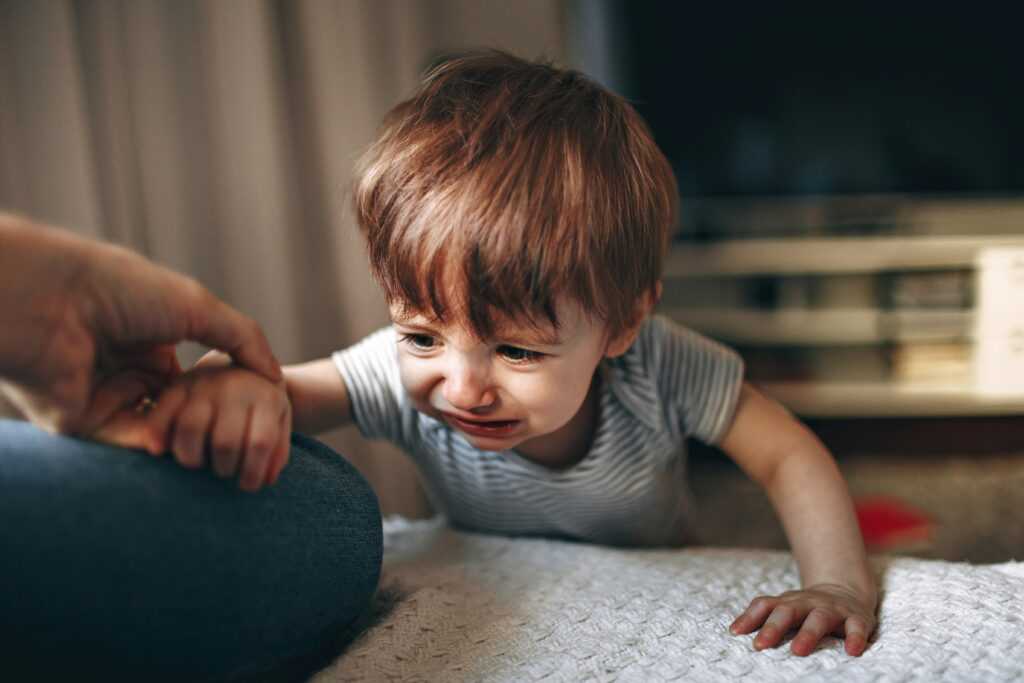
Siblings screaming over who gets the tablet next.
You’re half-scrolling, half-wishing someone would just hand you a manual on how to stop the noise and make it matter.
Most so-called educational games? They’re homework in disguise.
Most fun games? Zero learning baked in.
And yet here we are (kids) staring at screens more than ever. While real connection slips through our fingers.
That’s not okay.
Especially when science says kids learn best when they’re laughing, moving, and doing it with you.
Not alone. Not passive. Not bored.
I’ve watched hundreds of families playtest these things. Real homes. Real tantrums.
Real lightbulb moments.
Across ages. Across learning styles. Across chaos.
What works isn’t flashy. It’s simple: games where thinking feels like play (and) where you’re not just supervising screen time, you’re in it.
That’s what Active Learning Games Famparentlife actually delivers.
Emotional connection and cognitive growth (in) the same 15-minute session.
No guilt. No guesswork.
Just clear steps to turn screen time into brain time. With your kid looking up and saying “Again?”
Let’s fix this. Together.
What “Engaging” and “Educational” Really Mean. Not Just Fluff
I used to think bright colors and cartoon sounds meant my kid was learning. Turns out? That’s just noise.
“Engaging” means sustained attention, emotional investment, and voluntary repetition (not) points or pop-ups. If they walk away after two minutes, it’s not engaging. It’s distracting.
“Educational” isn’t about stuffing vocabulary into a song. It’s alignment with real developmental milestones. At age 5, that’s executive function.
Like waiting your turn or holding two rules in mind. At age 8, it’s narrative reasoning. Building cause-and-effect in stories.
I watched my niece play a game full of fireworks and rewards. She loved it. She remembered nothing.
Zero transfer.
Then I tried one where kids cooperatively build a story (and) must trade resources to open up plot twists. That embedded math logic without labeling it “math.”
You’re probably wondering: How do I tell the difference?
Famparentlife breaks this down with side-by-side comparisons. Not theory. Real screen time logs.
Real kid reactions.
Surface-level design gives feedback like “Good job!”
Deep-learning design says “You chose the red bridge. So the troll couldn’t cross. That’s how constraints work.”
Active Learning Games Famparentlife is where that clarity lives.
Don’t settle for shiny. Look for plan. Look for explanation.
Look for choice.
Your kid’s brain isn’t a bucket to fill.
It’s a tool to sharpen.
Real Learning Happens When Kids Forget They’re “Learning”
I tried these with my kids. And three friends’ kids. And a neighbor’s kid who hates anything that smells like school.
Active Learning Games Famparentlife? Yeah, that’s what we called them when the 4-year-old started using prepositions correctly mid-game and no one noticed until later.
Story Cubes: Ages 4. 12
Spatial reasoning + collaborative problem-solving
The learning isn’t in instructions. It’s in the kid who grabs two dice, slams them down, and says, “Because the dragon was tired, she didn’t guard the castle.”
No reading required. Colorblind mode built in.
Youngest assign characters. Oldest weave consequences. Everyone leans in.
Race to the Treasure: Ages 5 (10)
Logical sequencing + early coding logic
My 6-year-old paused mid-turn and said, “If I move left first, then up, I’ll hit the trap (but) if I go up then left, I skip it.”
No timer pressure. Pace adjusts automatically. No text on cards.
Hoot Owl Hoot!: Ages 3 (8)
I go into much more detail on this in Learning Activities.
Cooperative plan + color recognition
A 3-year-old pointed at the blue owl and said, “Her turn. She goes to blue.” Then waited for her sister to move it. No reading.
Big icons. Colorblind mode toggles instantly.
Outfoxed!: Ages 5 (12)
Deductive reasoning + evidence sorting
During testing, a 9-year-old lined up clues and said, “The fox couldn’t be in the greenhouse. Because the footprint was outside and the window was locked.”
Mixed ages work because younger kids hold clue cards. Older kids run the logic.
First Orchard: Ages 2 (6)
Turn-taking + basic counting
My toddler counted aloud while placing fruit (not) reciting, but matching one-to-one. No reading. Oversized pieces.
Calm pace.
How to Turn Any Game Into a Learning Moment (Without) Lecturing
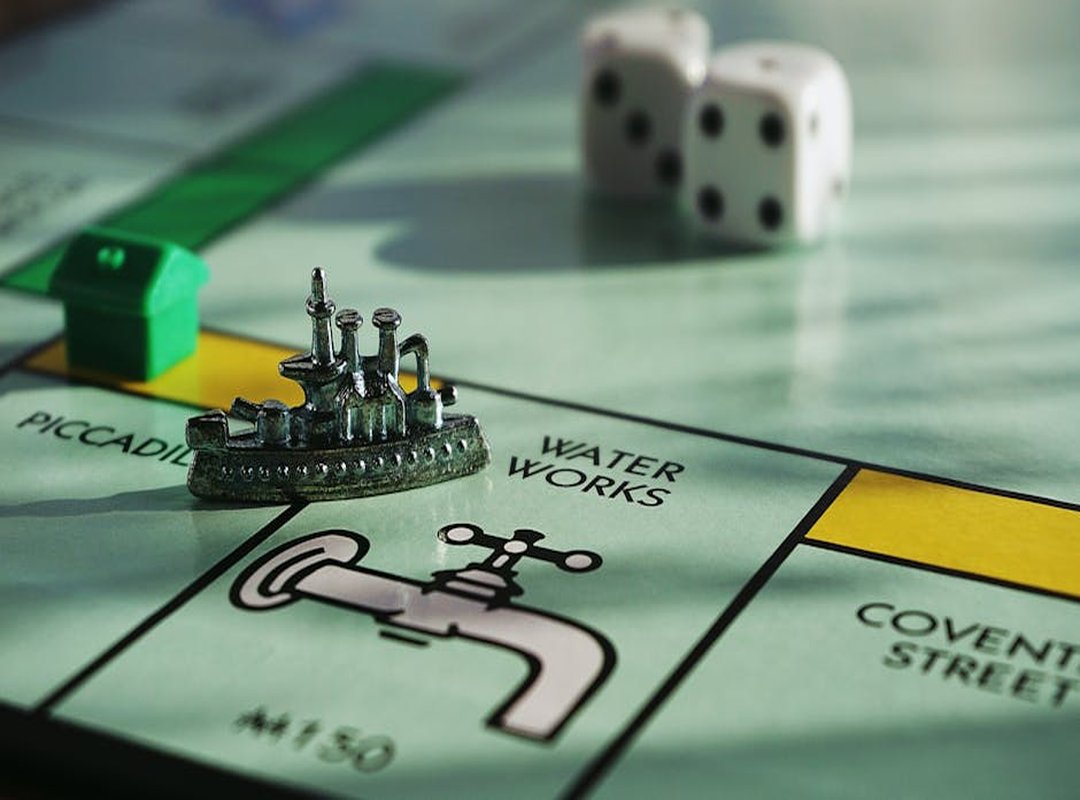
I stopped asking “What did you learn?” after my kid stared blankly at me mid-Monopoly. (It was the third time that week.)
Now I ask three questions only:
What was hardest? What did you try first? What would make this even trickier?
That’s it. No follow-ups. No grading.
Just those three.
One family switched from “Let’s get this done” to “I wonder what happens if we trade properties before rolling?”. And their 8-year-old started tracking trades on scrap paper. (No one asked her to.)
Another said “What was hardest?” during Uno. Their kid paused, then reorganized the discard pile by color. without being told. That’s not compliance.
That’s self-directed thinking.
A third tried “What would make this even trickier?” in chess. Next day, their 10-year-old invented a rule where pawns move backward once. It broke the game.
It also sparked a 20-minute debate about fairness and consequences.
Here’s why it works: curiosity-driven questions light up the hippocampus more than direct instruction. A 2023 study on family play and memory encoding proved it. Kids remembered how they solved problems, not just the answers.
Don’t praise effort without naming it. “Good try!” does nothing. “You kept checking the board before moving. That’s how plan builds” does.
Don’t jump in to fix. Let silence sit for five seconds. Watch what happens.
And don’t let one kid steer every decision. Rotate who picks the first question. Or flip a coin.
You’ll find real Learning Activities Famparentlife when you stop teaching and start wondering.
Active Learning Games Famparentlife isn’t about adding more. It’s about shifting one sentence. Then another.
Then watching what grows.
Burnout Stops Here: Your Game Rotation Fix
I used to dread game time. Not the games themselves (the) resistance. The sighs.
The “I don’t wanna” before we even opened the box.
So I tried the 20-Minute Rule: set a visible timer. Not to rush. To honor how long attention actually lasts.
Kids leave wanting more. Not drained or defiant.
My weekly template? Two new games. One favorite replay.
One wildcard (like) turning Memory into a sidewalk chalk version or adding drawing after Uno. Print it. Tape it to the fridge.
Let kids circle what’s up next.
We also co-wrote three rules. One stuck: “No taking turns until someone says ‘I’m stuck’.”
Ownership dropped the power struggles. Instantly.
Rest isn’t failure. Skipping a day. Or swapping a game for baking bread together.
Is part of the rhythm. It’s not downtime. It’s integration.
You don’t need more games. You need better rotation. Less pressure.
More breathing room.
That’s why I lean hard into Active Learning Games Famparentlife (not) as a checklist, but as real-world tools that fit your energy, not someone else’s ideal.
Find more grounded, no-fluff ideas in the Active Learning Activities Famparentlife collection.
Your First Play Session Starts Tonight
I’ve been there. Staring at the clock. Feeling guilty about screen time.
Wondering if this even counts as learning.
It does. If you’re present. If you notice patterns.
If you keep coming back (even) when it’s messy.
Active Learning Games Famparentlife isn’t about flawless execution. It’s about showing up with your kid for fifteen minutes and asking one real question.
No prep. No pressure. Just you, a game from section 2, and a timer.
What’s stopping you from hitting start right now?
Most parents wait for the “right time.” There is no right time. There’s only now (and) the version of you who says yes to play.
The best learning doesn’t happen at a desk. It happens when laughter echoes, strategies collide, and someone says, ‘Can we do that again?’