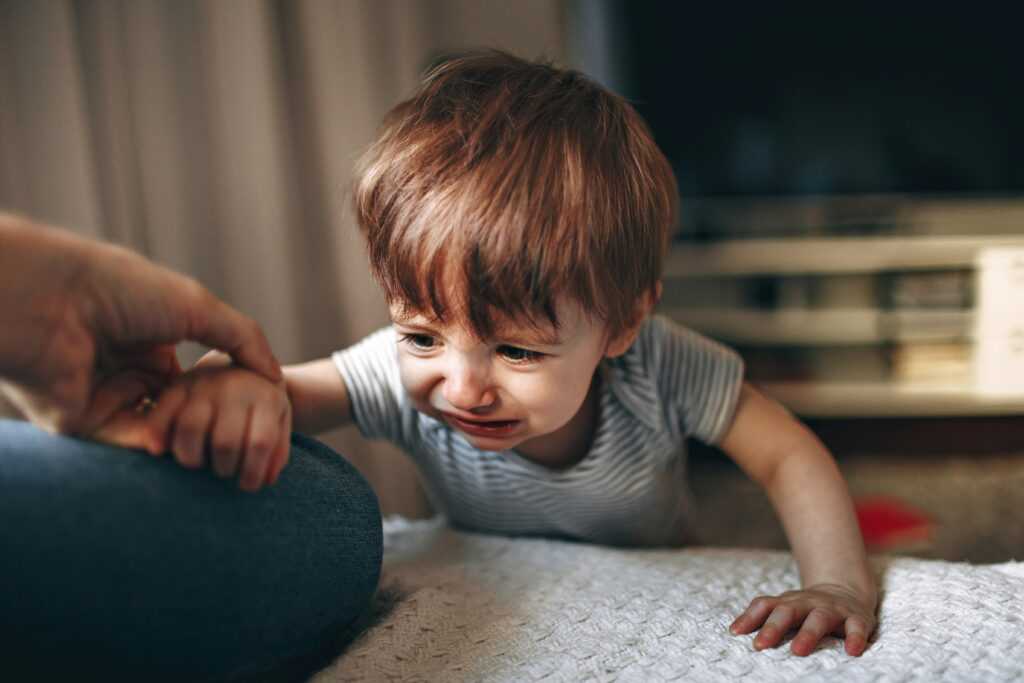
You’re exhausted.
Not the kind where you crash on the couch and zone out. The kind where your brain won’t shut up about toothpaste left in the sink, the pediatrician appointment you missed, and whether that “healthy” snack bar is actually just sugar in disguise.
I’ve been there. More times than I’ll admit.
And every time I talk to parents, they say the same thing: There’s too much advice. Too many apps. Too many checklists that make me feel worse.
So here’s what this is: a real Parenting Wellness Infoguide Famparentlife (not) another vague blog post pretending wellness is just kale and gratitude journals.
It covers what actually matters: sleep that sticks, meals that get eaten, moments where everyone breathes instead of snaps.
No theory. No fluff. Just what works (tested) with families who had zero time and zero patience for nonsense.
I’ve watched this guide change how parents show up. Not perfectly. But calmer.
Clearer. Less guilty.
You want simple. You want doable. You want it to fit your life.
Not the other way around.
This fits.
The Foundation: Nutrition, Activity, Sleep
I started tracking my kid’s sleep before I tracked my own coffee intake. (It was that bad.)
That’s why I built the Parenting Wellness Infoguide Famparentlife (not) as a checklist, but as a real-person map for what actually sticks.
Let’s talk food first.
Super Healthy Kids is my go-to for recipes that don’t look like science experiments. It filters by age, allergy, and prep time. Yummly works better if you already have pantry staples and just need ideas that won’t take 45 minutes.
Both beat scrolling through Pinterest until 10 p.m. wondering why your toddler ate three blueberries and called it dinner.
Activity? AllTrails has park filters for “dog-friendly,” “stroller-accessible,” and “under 1 mile.” Yes, it’s that specific. At home?
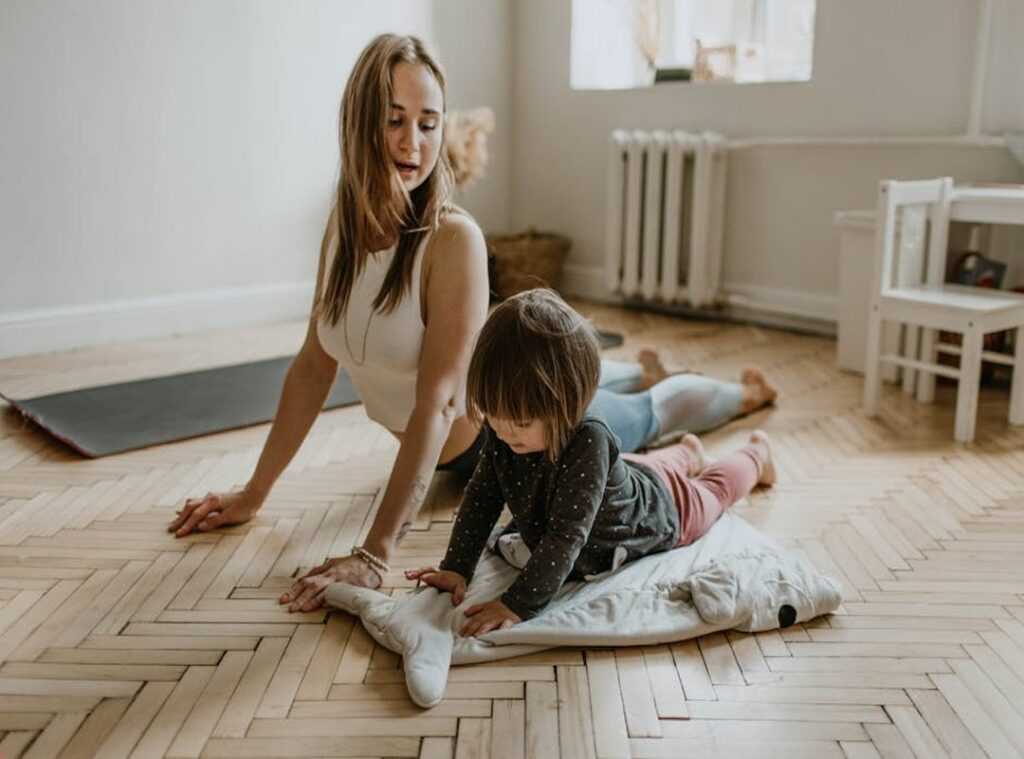
Cosmic Kids Yoga on YouTube. No mat needed. Just hit play and let your kid wiggle while you breathe for two minutes.
Sleep is where most families crash. The American Academy of Pediatrics has a clear, no-jargon chart on how much sleep kids actually need by age. (Spoiler: It’s more than you think.) For routines, I read The Happy Sleeper.
Not for perfection, but for permission to stop negotiating bedtime like it’s a UN summit.
You don’t need gear or gurus. You need clarity and consistency.
And if you want all three. Nutrition, movement, rest. In one place with zero fluff, start with the Famparentlife guide.
It’s not magic. It’s just honest. It’s what I wish I’d had at week three of nap regression.
Mental Health Isn’t Secondary (It’s) Foundational
I treat my kid’s emotional outbursts the same way I’d treat a fever. Not as misbehavior. As data.
Mental wellness is not like physical health. It is physical health. Your nervous system doesn’t care what label you give it.
For Kids: Start Small, Not Perfect
Headspace for Kids works. I’ve watched my 7-year-old use it before bed (no) pressure, just breathing and quiet cartoons. It sticks.
A Little Spot of Emotion book series? Yes. Simple.
Direct. No fluff. The “Little Spot of Anxiety” book got us through school drop-off panic last fall.
Skip anything that asks kids to “name five feelings before breakfast.” That’s not regulation. That’s homework.
For Parents: You Can’t Pour From an Empty Cup
I stopped pretending self-care means bubble baths and candles. Real self-care is turning off notifications for 20 minutes and sitting still.
Calm’s “Daily Calm” is solid. But if you’re drowning in guilt just thinking about meditating (try) the r/ParentingStress subreddit instead. Real people.
Zero judgment. (They even have a pinned post on how to breathe while holding a screaming toddler.)
You don’t need permission to rest. You need to take it.
For Professional Help: Don’t Guess. Filter.
Psychology Today’s therapist directory is the only one I trust for families. Use the filters: “Child,” “Family,” “Sliding Scale,” and “Telehealth.” Skip the bios full of buzzwords (look) for someone who says “I work with big feelings in small humans.”
That’s how you avoid wasting $200 on someone who thinks your kid just needs more discipline.
This isn’t about fixing broken kids. It’s about building real tools. For them and you.
Connection Isn’t Automatic. It’s Built

Family wellness isn’t about perfect meals or spotless houses. It’s about whether your kid looks you in the eye when they’re upset. Whether your partner feels heard after a long day.
I’ve watched families try everything. Therapy, chore charts, reward systems. While missing the obvious: connection erodes when no one’s present.
So here’s what actually works.
Unplugged time is non-negotiable. Not “less screen time.” Not “maybe after homework.” I mean phones in a basket, tablets face-down, and silence that lasts at least 45 minutes. Try it during dinner.
Watch how fast the talking starts.
TableTopics Family Edition is the only conversation starter deck I trust. It’s not cheesy. It doesn’t ask “What’s your favorite color?” It asks “When did you last change your mind (and) why?” You’ll be surprised how much your teen reveals over grilled cheese.
Screen-free ideas that stick:
- Cook breakfast together on Saturday (no recipes, just mess and taste tests)
- Walk to the corner store and buy one weird snack you’ve never tried
You want more hands-on ideas? The Active Learning Activities Famparentlife page has low-prep, high-return options. Not theory, just what works on Tuesday at 5 p.m.
The Parenting Wellness Infoguide Famparentlife covers this (but) skip the fluff and go straight to the unplugged section.
Some people say “kids need space.” Sure. But not all the time. Not when they’re learning how to trust.
Start small. One night. One meal.
One device left in another room.
Then see what shows up.
Screen Time Isn’t Evil. It’s Just Unmanaged
I used to think screen time was a moral failing. Then I watched my kid slowly build a working calculator in Scratch at age 9. (Turns out, not all pixels are equal.)
Screen time is part of modern family wellness now. Like sleep or meals. You wouldn’t skip bedtime and call it “flexible parenting.” So why treat screens differently?
The American Academy of Pediatrics has a free Family Media Plan guide. It’s not preachy. It’s printable.
And it asks real questions (like) Who charges phones overnight? Where do devices live during dinner?
Pick one tool and stick with it. I use Apple Screen Time. It works.
It’s built in. No extra logins. No subscription.
(Google Family Link is fine too (but) don’t bounce between both.)
Online safety isn’t about fear. It’s about knowing what’s out there. Common Sense Media gives honest reviews and age ratings.
Not corporate fluff.
You don’t need perfection. You need consistency. A plan.
And maybe ten minutes a week to adjust it.
That’s where the Parenting Wellness Infoguide Famparentlife fits in. Practical, not performative.
Want hands-on practice? Try the Nldburma 10 famparentlife learning activities. They’re low-tech.
High-impact. And actually fun.
One Small Step Changes Everything
I’ve been there. You open a wellness guide and feel worse. More pressure.
More guilt. More noise.
This isn’t about perfection. It’s about showing up. Just once (with) intention.
You’re overwhelmed. That’s real. And it’s why Parenting Wellness Infoguide Famparentlife exists: no fluff, no jargon, just simple tools you can actually use.
You don’t need to fix everything today. You don’t need to read every page. You just need to pick one resource that feels right.
Then try it this week. Just that one thing.
Small steps add up. Not in some vague inspirational way. In real life.
Better sleep. Less yelling. A calmer dinner table.
That starts now.
Choose one. Try it. See what shifts.
Your family doesn’t need a miracle.
They need you. Rested, grounded, consistent.
Go ahead. Pick one.