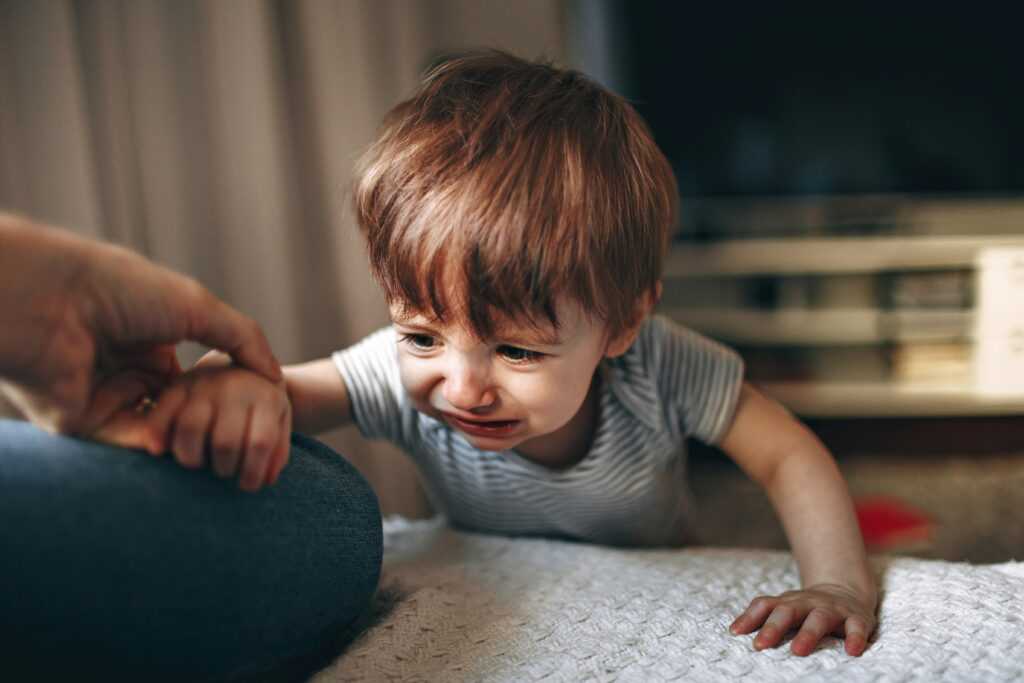
You’re tired of scrolling for ideas that sound good but fall apart the second you try them.
Your kid asks for screen time. You say no. Then you feel guilty.
Then you panic because you have no idea what to do instead.
I’ve been there. Too many times.
Most family activity lists are either vague (just “talk about feelings”) or rigid (requires three colored pencils and a laminator). Or worse. They assume you have two hours, a quiet house, and a degree in child development.
They don’t work. And you know it.
That’s why I built the Nldburma 10 Famparentlife Learning Activities from real practice (not) theory.
Every one is tested with families across different schedules, languages, and living situations. No prep. No special tools.
Just things you already have.
They’re grounded in early childhood research. Not Pinterest trends. Not someone’s hot take.
We used family systems theory and decades of observational studies on how learning actually sticks at home.
Not all activities need to be “educational” to count. But they do need to land.
You’ll get ten clear, adaptable ways to connect and learn (together.)
No fluff. No guilt. Just what works.
Why Family Engagement Is Not Just Homework Duty
I used to think helping with spelling words counted. (It doesn’t.)
Family engagement builds executive function, language, and emotional regulation (not) just grades. Meta-analyses from Harvard Family Research Project back this up. Kids don’t need more worksheets.
They need more you, thinking aloud together.
Passive involvement? Signing slips. Scrolling while they read.
That’s noise.
Active co-learning? Joint storytelling. Watching clouds and describing what you see.
Solving a puzzle where you both pause and wonder out loud. That’s the stuff.
Cultural responsiveness isn’t a buzzword. It’s practical. Use open-ended questions instead of yes/no prompts.
Bring in household objects. No “school supplies” required. Let caregivers choose the language.
One parent swapped Activity #3. Shared observation. Into Burmese and English, using kitchen tools as props.
Always.
No app. No translation. Just real talk, real time.
That’s why I point families straight to the Famparentlife page. It’s where those ten grounded, adaptable ideas live.
The Nldburma 10 Famparentlife Learning Activities aren’t tasks. They’re invitations.
You don’t have to be fluent in education jargon.
You just have to show up (fully,) slowly, without fixing.
Kids notice when you’re curious with them.
Not just for them.
Everyday Routines, Not Lesson Plans
I cook dinner. My kid stands on the stool and holds the spoon. That’s when Kitchen Math Walkthrough starts.
What happens if we double this? What’s half of three-quarters? How many quarter-cups fill one cup?
No worksheets. No timers. Just real measuring cups and real messes.
You’ll spill flour. You’ll laugh. They’ll get fractions because they felt the weight shift.
Laundry day is logic training in disguise.
Sort by color first. Then by texture. Soft vs. scratchy.
Then by size. Socks vs. towels. Older kids match care symbols.
Younger ones just match socks. (Yes, even mismatched socks count as data points.)
Bedtime Story Remix is where magic hides.
We read the book. Then I say:
What if the bear didn’t go to sleep?
What if the mouse told the story instead?
What I’ve found is What happened right before the first page?
Zero screens. Zero prep. Just repetition baked into life (same) routine, new questions every time.
That’s what makes the Nldburma 10 Famparentlife Learning Activities work. They don’t ask you to add something. They ask you to notice what’s already there.
You’re not teaching. You’re listening. You’re wondering out loud.
You’re letting them lead the math, the sorting, the story.
And it sticks. Because it’s not practice. It’s living.
Outdoor Learning That Actually Sticks
I tried Activity #4 (the) Neighborhood Sound Map (with) my kid on a rainy Tuesday. We walked two minutes in silence. Then we sat on the curb and wrote down every sound: dripping gutter, distant siren, neighbor’s dog barking again.
(Yes, that one counts.)
Urban? Stick to sidewalks. Rural?
Watch for uneven ground or livestock. Safety isn’t about perfection. It’s about noticing what’s around you.
And adjusting.
Activity #5 is the Park Bench Observation Journal. We sat for 12 minutes watching a squirrel bury nuts. My kid drew it.
Another child used a checklist. A third recorded voice notes on a phone. All three worked. Drawing only is fine.
So is pointing and naming. So is saying “that bird just hopped sideways” out loud.
Activity #6 (Bus) Stop Story Chain (saved) us from meltdown mode once. Waiting for the 3:15 bus, we passed a sentence each:
“The backpack started humming.”
“It wasn’t plugged in.”
“And the zipper was glowing faintly blue.”
No gender. No assumptions about mobility or speech. Just imagination, shared.
Activity #7. Library Card Quest (taught) more than reading. My kid hunted for books by cover color first.
Then by first letter. Then by theme: “books where someone gets lost and finds their way back.” That’s search literacy. That’s agency.
You’ll find practical adaptations for all of these. Plus grounding tips for nervous or sensory-sensitive kids (in) the Parenting Wellness Infoguide Famparentlife.
This is how learning lives outside worksheets. This is how kids learn to pay attention. To the world, not just the screen.
Creative Expression with Intentional Scaffolding

I run these three activities every year. Not because they’re cute. Because they work.
Activity #8 is Family Timeline Mix. You string yarn across a wall. Pin photos or drawings at points that matter.
Birth, move, loss, reunion. When migration or grief comes up? I pause.
Offer prompts like “What stayed the same?” (but) silence counts as an answer. Always.
Activity #9 is Recipe Remix Lab. Pick one dish. Change one ingredient.
Just one. Then predict how it’ll taste. Then eat it.
Then describe it. Not “good” or “bad,” but “grittier,” “brighter,” “slower to dissolve.” This is hypothesis testing disguised as dinner.
Activity #10 is Shadow Puppet Science. Flashlight. Wall.
Hands. No prep needed. Ask: *How does moving your hand closer change the shadow’s edges?
Why does tilting your palm warp the shape? What happens if you block half the light instead of all of it?*
No worksheets. Just questions dropped at natural pauses: “What surprised you?” “What did you expect first?”
These aren’t filler. They’re part of the Nldburma 10 Famparentlife Learning Activities. The ones where kids think they’re playing and adults realize they’re building reasoning muscle.
Pro tip: Keep the flashlight cheap. The $3 kind works best. (The fancy ones overheat.)
How to Choose, Adapt, and Stay Consistent. Without Burnout
I used to think consistency meant doing the same thing every single day. Then I got tired. Really tired.
So I stopped forcing it.
Now I ask one question first: What’s my energy level right now?
High-energy? Try Activities #4. #7. Low-energy?
Stick with #1. #3. Creative-energy? Go straight to #8. #10.
That’s the decision tree. No fluff. Just match the activity to your actual body, not your to-do list.
Adaptation isn’t cheating. It’s survival. Swap paper for leaves.
Cut 5 minutes down to 2. Let your kid lead while you watch.
“No time?” Fold it into what you’re already doing. Toothbrushing, waiting for toast, walking to the mailbox. “No space?” Balcony counts. Hallway counts.
Even the kitchen floor counts. “Child resists?” Try a one-minute version. Or let them pick the prompt. Their call.
Consistency doesn’t mean daily.
It means showing up meaningfully (even) if it’s just two minutes, three times a week.
That’s where real trust builds. That’s where learning identity sticks.
You’ll see it in how they look at you after. Not before.
For more grounded, no-bullshit support, check out the Famparentlife New Parent.
Nldburma 10 Famparentlife Learning Activities work only if they fit your life. Not the other way around.
Start Small, Stay Connected, Grow Together
I’ve watched parents drown in “shoulds.” You don’t need more tasks. You need moments that work.
These aren’t busywork. They’re real things you do with your kid (cooking,) walking, sorting laundry. Turned into Nldburma 10 Famparentlife Learning Activities.
Every one was tested. With kids who speak different languages. With families short on time or cash.
With toddlers who won’t sit still.
No training. No prep. Just you and them.
Noticing, naming, pausing.
You already have what it takes.
So pick one. Do it this week. Then write down one thing you saw.
How their eyes lit up, when they grabbed the spoon, or how long they stared at the ant.
That’s your proof it works.
Learning doesn’t wait for perfect conditions (it) lives in the ordinary, shared moments you already have.