I’ve watched parents panic over a single loose drawer pull. Then spend hours Googling how to stop their toddler from climbing the bookshelf. You’re not overreacting.
This isn’t about turning your house into a padded cell. A Child Friendly Home Drhparenting means kids can touch, try, and fall. Safely.
It means you don’t have to yell “don’t touch that” every five minutes.
I’ve done this twice. With three different age gaps. And zero interest in perfection.
You want safety and space for mess. You want calm and energy. You want your home to feel like yours.
Not a museum with a side of Cheerios.
This article gives you real steps. Not theory. Not Pinterest traps.
Just what works when real kids live in real homes.
You’ll learn how to spot danger without obsessing. How to set up play areas that don’t take over your living room. How to keep things functional and fun.
For them and you.
By the end, you’ll know exactly where to start.
And why it actually helps you breathe easier.
Safety Isn’t One-Size-Fits-All
I childproofed my living room twice. Once for my son at nine months. Again at two and a half (when) he stood on the coffee table and tried to unplug the TV.
That’s when I realized safety isn’t about baby gates and outlet covers alone. It’s about watching what your kid does today. And guessing what they’ll try tomorrow.
Electrical outlets? Covers snap in. But I’ve seen kids pry them out with spoons.
So I switched to tamper-resistant plates. (They cost five bucks more. Worth it.)
Sharp corners? Bumpers fall off. I glued them and moved the side table away from the hallway.
Window cords nearly killed a neighbor’s toddler. We cut every cord, tied them high, then replaced three blinds with cordless ones.
Stairs? Gates stay up until age four (even) after he learned to climb over them. (Yes, he did.
Yes, I caught him.)
Heavy furniture? I anchored bookshelves, dressers, and the TV stand to wall studs. Not drywall anchors.
Real screws into studs. My uncle’s TV fell on his son. That story sticks.
Cleaning supplies and meds live in a locked cabinet (top) shelf, no exceptions.
You check once. Then again every month. Because last week’s safe height is this week’s launchpad.
Want real-world fixes that actually hold up? learn more in our Child Friendly Home Drhparenting guide.
Kids don’t pause their curiosity. Neither should your safety plan.
Play Space, Not Toy Dump
I draw lines on the floor with tape.
Not forever (just) until the kid learns where blocks live versus where dolls go.
Small homes? I put a rug in the corner. Call it “the build zone.”
You don’t need square footage.
Bins beat toy chests every time. Kids can see what’s inside. They can lift them.
You need consistency.
They will dump them. And that’s fine (because) low shelves mean they can put things back without help.
Rotating toys isn’t magic. It’s just not letting ten stuffed animals stare at you from the couch. I swap out half the bin every Sunday.
Less stuff = less meltdown. Less overwhelm = more focus.
Open-ended toys win. Always. Blocks.
Paper and glue. A box of old scarves. No batteries.
No instructions. Just what can I do with this?
A “yes” space means no “no” for ten minutes. Cover outlets. Anchor furniture.
Keep breakables high. Then step back.
This isn’t about perfection. It’s about lowering the friction between I want to play and I can play. That’s the heart of a Child Friendly Home Drhparenting.
You ever watch your kid freeze because there’s too much choice? Yeah. Rotate the toys.
Kitchen Safety That Actually Works

I keep cabinet locks on every lower cabinet. Not the fancy ones that click like a gun. Just simple magnetic latches you can’t pop open with a spoon.
Knives live in a drawer with a lock. Breakables go up high. Not because I trust my kid to be careful.
But because I don’t.
We made a “kid zone” by the fridge: low shelf, step stool, and real (not toy) kid-safe plates and cups. They get water themselves now. It’s not perfect.
It’s done.
High chair? Must be bolted or weighted. No wobbling.
No “it’s fine for now.” I checked mine twice.
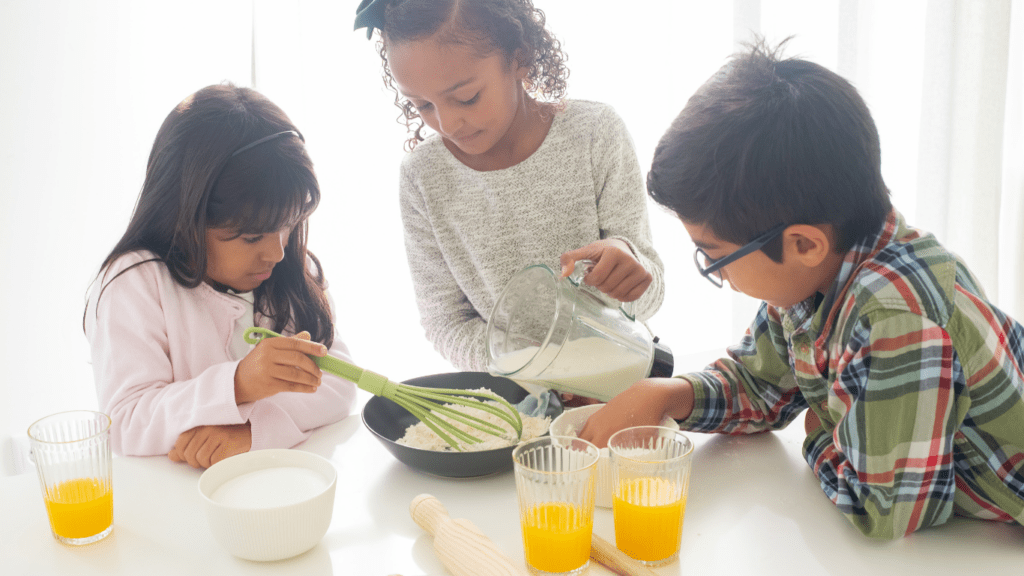
Letting kids stir batter or tear lettuce builds real confidence. Not just cute Instagram moments. Actual muscle memory and food curiosity.
Spills happen. I keep rags in the drawer next to the stove. Not in the laundry room.
Not under the sink. Right there. Wipe it, toss it, move on.
Stress doesn’t come from messes. It comes from scrambling for supplies while your kid cries over spilled apple sauce.
You want more real-world fixes? The Family safety tips drhparenting page covers exactly this kind of setup (not) theory.
Child Friendly Home Drhparenting means you stop rearranging your life around danger. And start building around what works.
Bedrooms and Bathrooms: Where Kids Learn Rest and Respect
I made my kid’s bedroom boring on purpose. No screens. No bright lights.
Just a soft lamp and a fan that hums. You want sleep? You cut the noise.
Dressers tipped over in my cousin’s house last year. Now every one is bolted to the wall. No exceptions.
Bathrooms are trickier. I put locks on the toilet seat so little hands can’t slam it shut. Non-slip mats?
Non-negotiable.
Faucet covers keep water from scalding skin. Toiletries go up high (shampoo,) razors, even toothpaste with fluoride. Yes, even the toothpaste.
Step stools let kids reach the sink without wobbling. Towels hang low. Hooks are at their height.
Not mine. Theirs.
Knocking on doors starts at age three. We practice it like a game. Then it sticks.
Bedtime isn’t about control. It’s about rhythm. Same story.
Same song. Same dim light. Every night.
This isn’t just safety. It’s how kids learn rest, hygiene, and respect. For their bodies and other people’s space.
That’s what makes a Child Friendly Home Drhparenting real. You’ll find more practical routines in the Drhparenting Parenting Guide Drhomey.
Your Home Grows With Your Kids
I built my Child Friendly Home Drhparenting the hard way. Tripping over toys at 6 a.m. Wiping peanut butter off the light switch. again.
It’s not about perfection. It’s about showing up, day after day, and adjusting as your kids change. Safety first?
Yes (but) not at the cost of joy. A designated play area keeps chaos contained. Practical kitchen solutions mean less yelling and more cooking together.
Bedrooms and bathrooms that work for them mean fewer power struggles before school.
You want calm. You want connection. You want to stop fixing things and start living in your home.
So let your kid pick the rug color. Let them help label toy bins (even) if the spelling’s off. That ownership?
It sticks.
Start with one thing today. Swap out one sharp corner guard. Clear a shelf for their books.
Move the step stool where they can reach the sink.
Watch what happens. Notice how much easier bedtime gets when the bathroom setup actually works. See how much calmer you feel when the kitchen isn’t a war zone.
This isn’t about making a “perfect” house.
It’s about building a home that breathes with your family.
Share your one small win. Tell someone what changed (just) one thing (after) you tried it. Go ahead.
Do it now.