Toddlers and Food: The Basics That Matter
The toddler years are a short window packed with long term impact. From ages 1 to 3, kids are building not just muscles and bones, but habits, preferences, and even attitudes toward food that can last a lifetime. It’s when taste buds are still open to trying, brains are growing fast, and routines haven’t hardened into daily battles (yet). Nutrition during this stage isn’t just about fuel it’s a foundation.
Picky eating often shows up around age two. It’s frustrating, but usually normal. Toddlers are learning independence and testing boundaries, and food is an easy control point. That doesn’t mean something’s wrong it means they’re growing. The key is to know what’s typical (selectivity, favorite food streaks) vs. what might signal a sensory issue or feeding problem, which may need more support.
As for what toddlers actually need: more than babyhood, less than older kids. On average, toddlers require about 1,000 to 1,400 calories a day spread out across three meals and two to three snacks. Nutrients that matter most? Iron, healthy fats, calcium, vitamin D, and fiber. That doesn’t mean every bite has to be perfect. It means offering a range of foods and letting toddlers explore. Keep it simple, keep it steady, and expect messes along the way.
Serve: Balanced Foods They’ll Actually Eat
Getting toddlers to eat well doesn’t have to be complicated. The key is offering real food in approachable, bite sized ways and doing it consistently.
Whole grains are a solid starting point. Try oatmeal for breakfast (plain, or lightly sweetened with fruit), whole grain toast with a soft spread, or brown rice mixed into familiar casseroles. Whole wheat pasta also wins big in toddler tummies.
Fruits and vegetables are more successful when they’re bright, varied, and easy to grab. Think steamed carrot coins, cucumber sticks, blueberries, and mashed sweet potatoes. Toddlers love options they can pick up and try without commitment.
Healthy fats matter for brain development. Sliced avocado on toast, a small spoonful of peanut butter (make sure it’s safe and smooth), or scrambled eggs are all age friendly ways to get those good fats in early.
Protein doesn’t have to mean meat. Think soft beans, lentils in soups or patties, well cooked tofu cubes, and yogurt or cheese. Shredded or finely chopped chicken or beef can also work for toddlers comfortable with texture.
Hydration should stay simple. Water is the best choice most of the time. Skip the juice and sweet drinks those set habits that are hard to unlearn.
Learn more strategies to encourage positive eating habits here: healthy eating for kids
Avoid: Foods That Undermine Healthy Habits

Toddlers don’t need added sugar and less is better. Aim to keep added sugars under 25 grams per day, but honestly, the lower the better. That means skipping soda entirely and watching out for sneaky sugar bombs in flavored yogurts, granola bars, and even ketchup. Sweetened drinks crowd out more nutritious options and can start a habit that’s hard to break.
Highly processed snacks are another red flag. Anything that comes in a shiny bag and lists ingredients you can’t pronounce likely brings too much sodium, preservatives, or artificial flavors. These options fill little bellies without fueling growth or energy.
Then there are the real safety risks: grapes (unless halved or quartered), whole nuts, and popcorn all top the choking hazard list for young kids. Until your toddler can safely chew and swallow reliably, these stay off the menu.
And juice? Even 100% fruit juice should be limited. Stick to no more than 4 ounces per day. Whole fruit is always the better choice it offers fiber, takes longer to eat, and won’t send your child on a sugar rollercoaster.
Keep snacks simple, whole, and safe. That’s the sweet spot.
Beating Selective Eating Without a Battle
Getting toddlers to try new foods can feel like training a cat to swim but it doesn’t have to lead to a showdown at every meal. Gentle exposure is the key. That means offering the broccoli without insisting on a single bite. No pressure. No deal making. Just keep putting new or previously rejected foods on the plate. Repetition over time helps toddlers get comfortable without the power struggle.
Variety matters, too. Rotate options gradually so meals don’t become a rut. That doesn’t mean introducing five new foods in one week. Just keep the rotation alive maybe carrots this week, green beans next. Toddlers often need a food offered 10 15 times before they truly warm up to it.
Role modeling also packs more punch than you’d think. If your child sees you eating (and enjoying) spinach, avocado, or lentils, it carries more weight than a lecture ever will. And when the whole family sits down together no screens, no rushing a toddler learns that mealtime is a shared, relaxed experience. That’s a powerful cue.
Consistency and calm build trust. Control battles don’t. Stick to the long game, and you’re more likely to raise a competent, curious eater in the end.
Routine Wins Over Perfection
Toddlers thrive on rhythm. Regular meals and snack times help build a sense of trust and stability. They learn when to expect food, which calms the chaos and cuts down on constant nagging for snacks. Predictable eating times won’t solve every food issue, but they create a solid foundation.
Grazing all day snacking between meals without structure can mess with energy levels and appetite cues. A toddler who nibbles nonstop is less likely to feel hungry at dinner, which can spiral into tantrums or flat out refusal to eat. It’s not about being strict; it’s about showing them that food has a time and place.
Mealtime power struggles are common, but most can be avoided with a light touch. Offer choices between two foods rather than open ended menus. Avoid bribes, pressure, or using dessert as leverage. Stay calm, serve the meal, and let them decide how much to eat. Toddlers are wired to push limits your job is to hold the boundary without turning the table into a battlefield.
For more hands on guidance, check out healthy eating for kids.
Smart Habits Start with You
Toddlers are sponges. How you react to food what you say, how you eat, even your body language sets the tone. If you treat meals like a battleground, they will too. But if you keep mealtime calm and low pressure, they’re more likely to stay open and curious. Don’t praise or shame. Keep the vibe neutral but warm.
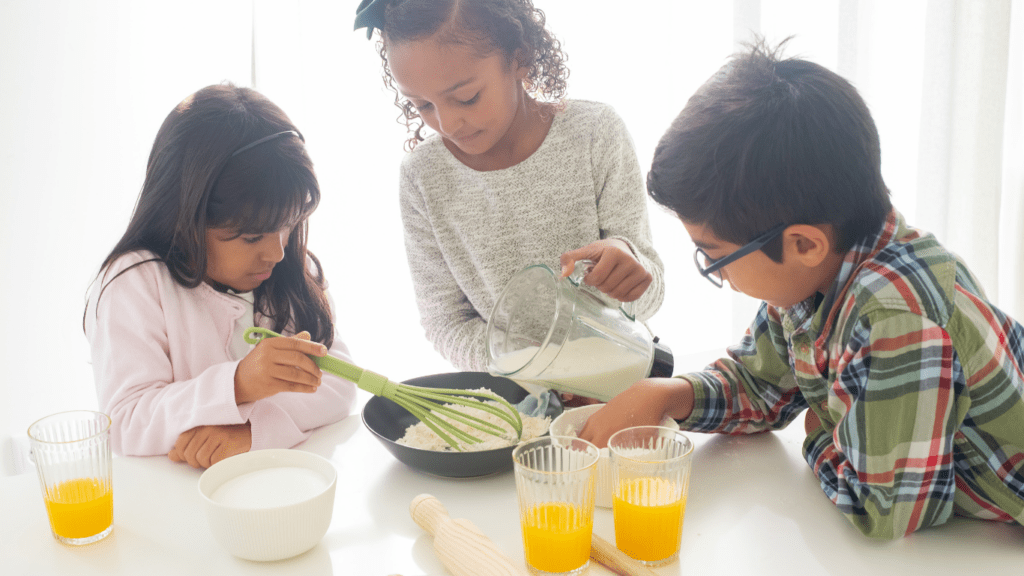
Bringing toddlers into the process also helps. Take them grocery shopping, let them carry the apples, choose a new vegetable, or stir something in the mixing bowl. It’s messy, but it gives them a sense of ownership. Familiarity reduces resistance.
When it comes to what and how you serve, simple is best. Peanut butter toast. Sliced cucumber. Soft cooked lentils. You don’t need wild recipes or dinosaur shaped carrots. Be consistent with meals and snacks, stick to a rhythm, and trust that they’ll eat what they need over time. It’s not about perfect meals it’s about building habits without stress.