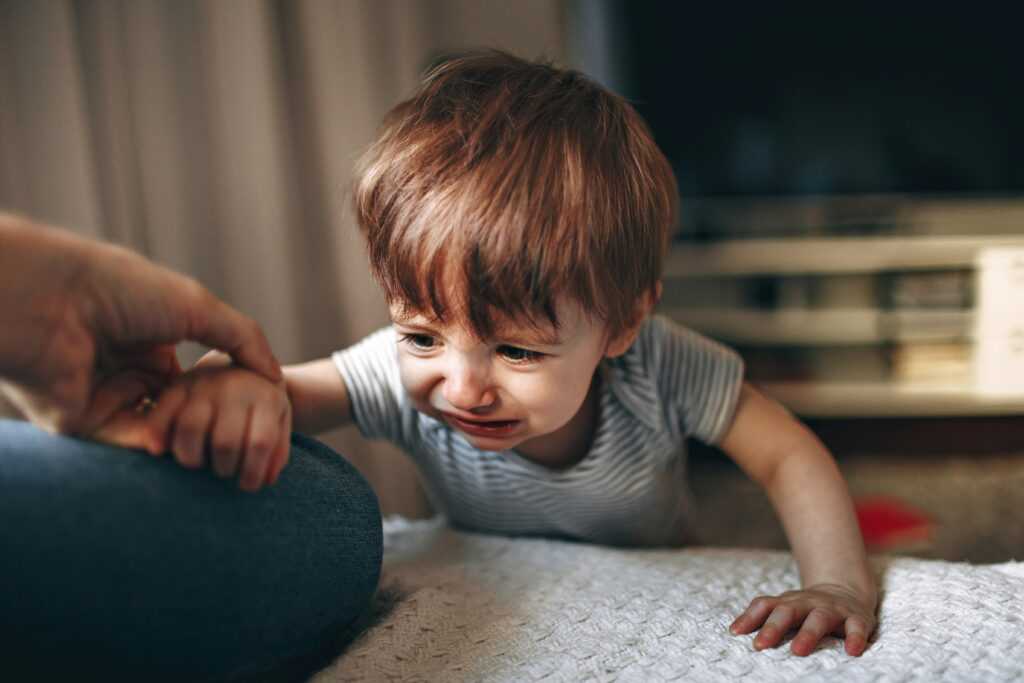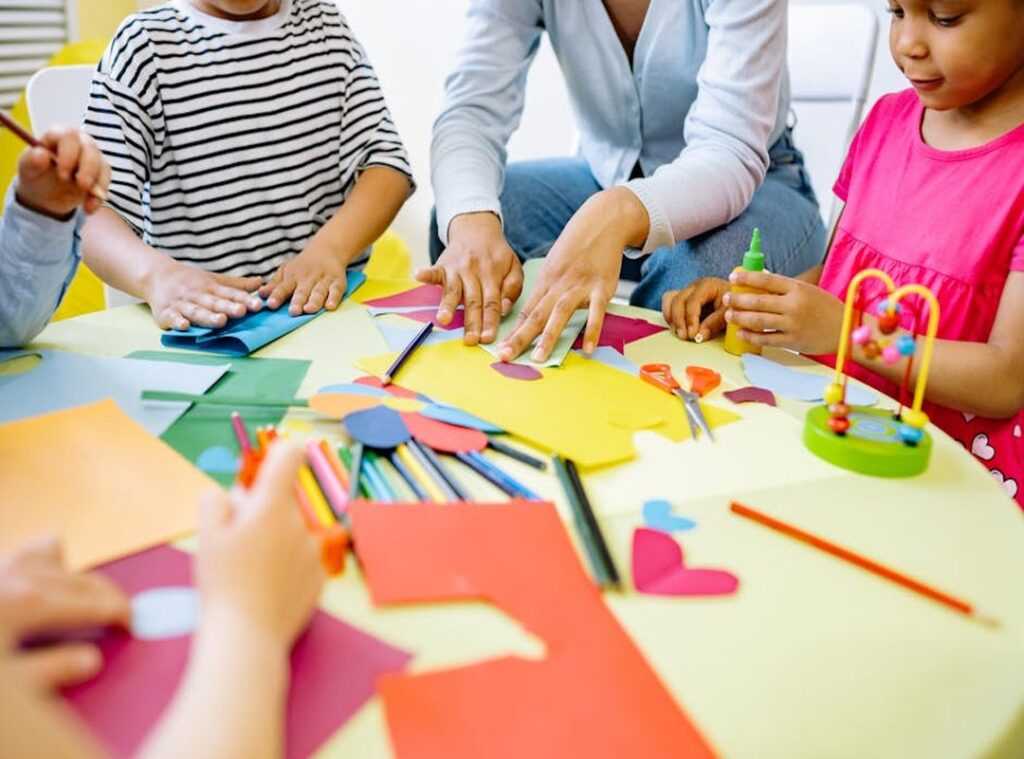
You ask your kid “How was school?” and get a shrug.
Or worse. Silence.
I’ve been there. More times than I care to count.
It’s not that you don’t care. It’s that the question feels empty. And the follow-up feels forced.
Learning shouldn’t live in a backpack or a report card.
It should spill into the kitchen while you’re making toast. Show up during car rides. Happen while folding laundry.
That’s what Learning Activities Famparentlife means. Not flashcards at 7 a.m. Not another thing on your to-do list.
It means curiosity is normal. Questions are welcome. Mistakes are part of it.
I’ve tried the complicated stuff. It failed.
So I stuck with what worked (low) prep, zero pressure, real moments.
This article gives you exactly that. Ideas you can use tonight. No setup.
No guilt.
Just connection. Just learning. Just family.
Why Family Learning Beats Report Cards Every Time
I used to think homework help was just about getting the right answers. Then my kid asked me why clouds float. And I had no idea.
So we looked it up together. That moment changed everything.
Family learning isn’t about fixing grades. It’s about showing up, curious and unpolished, side by side.
Strengthening family bonds happens when you cook while talking about fractions. Or when you get lost on a hike and figure out direction using the sun. Not perfect.
Just present.
Building lifelong curiosity? That’s what happens when you pause a movie to ask why the character made that choice. You’re not teaching film school.
You’re modeling wonder.
Key thinking grows when you debate cereal choices like they’re Supreme Court nominees. “Why this one?” “What’s the trade-off?” No lecture needed. Just follow-up questions.
Communication improves when you listen. Really listen. To their half-baked theory about how squirrels plan for winter.
You don’t correct. You lean in. You say, “Tell me more.”
A Harvard study found kids with engaged parents are four times more likely to enjoy school (even) if their parents never finished college.
That’s not magic. It’s consistency. It’s choosing curiosity over correctness.
The goal isn’t flawless execution. It’s shared attention. It’s messiness with meaning.
Famparentlife is where I started tracking small, real moments like these (not) as tasks, but as touchpoints.
Learning Activities Famparentlife sounds fancy. It’s not. It’s just you, them, and a question you both want to answer.
You don’t need a lesson plan. You need ten minutes. And the guts to say “I don’t know.
Let’s find out.”
Turn Everyday Routines into Learning Adventures
I’m a parent who’s run out of time. Not just low on time. gone. So I stopped looking for more hours and started using the ones I already had.
You’re not adding learning. You’re weaving it in. Like thread through fabric.
No extra load. Just smarter use of what’s already happening.
In the Kitchen
Doubling a recipe? That’s math. Real math.
Not worksheets. Measuring cups, fractions, timing (all) while dinner simmers.
Reading ingredient labels aloud? That’s literacy. Point to “calcium” or “whole grain.” Ask why it matters.
(Spoiler: kids remember the weird words first.)
Where does rice come from? Why is olive oil liquid but butter solid? That’s science and geography.
No textbook required.
During Errands
Make a shopping list together. Then budget $15. Let them hold the cash.
Watch them count change. This isn’t practice. It’s life.
License plate game: find an A, then a 7, then a state name. Sounds silly. Works like magic for letter/number recognition.
Stop at a stop sign. Read it. Then read the street sign.
Then the bank sign. Literacy isn’t just books. It’s everywhere you go.
At Bedtime
Reading is great. But skip the “what happened?” questions. Try “What if the dragon opened a bakery instead?”
That’s where creativity and key thinking actually grow. Not from quizzes. From wonder.
This isn’t about turning parenting into teaching. It’s about seeing what’s already there (and) trusting that small moments add up.
I’ve tried the flashcards-at-breakfast thing. It flops. Every time.
What sticks is real talk during real tasks.
I wrote more about this in Learning Games Famparentlife.
That’s the core of Learning Activities Famparentlife: no prep, no pressure, just presence.
You don’t need more time. You need better attention.
Try one thing tomorrow. Just one. See what happens.
Screen-Free Wins: Real Activities That Stick

I tried the screen-free week. Twice. It lasted three days both times.
Then I stopped fighting and started planning.
For Little Learners (Ages 3 (5))
They don’t need apps to learn physics. They need blocks that topple, dirt under their nails, and socks that don’t match. A backyard scavenger hunt works because it’s not about checking boxes.
It’s about spotting a fuzzy leaf or hearing a squirrel before you see it. Sorting laundry by color? That’s math disguised as chore.
And yes, they’ll toss the reds in the blue pile. Let them.
For Elementary Explorers (Ages 6. 9)
This is where curiosity gets legs. Plant basil in a yogurt cup. Water it.
Forget it. Then panic when it sprouts anyway. That’s science.
Write a comic about your dog judging breakfast choices. Draw the speech bubbles. Staple it.
Hang it on the fridge. You’re not making art. You’re building voice.
For Curious Pre-Teens (Ages 10 (13))
They want real stakes. Not pretend ones. Let them plan dinner (budget,) list, cooking, cleanup.
Yes, the pasta will be overcooked. Yes, they’ll forget the salt. That’s how they learn.
Have them research a place you might visit next summer. Not just “where is it?” but “how much does a bus ticket cost?” and “what’s open on Tuesdays?”
Debate night is gold. Pick dumb topics: *Is cereal soup?
Should sidewalks have speed limits?* Watch them argue with evidence. (They’ll cite TikTok. Redirect gently.)
Agency is the real learning tool here.
Not flashcards. Not timers. Not points.
The best Learning Activities Famparentlife aren’t polished. They’re messy. They’re loud.
They leave crumbs. If you want more low-prep, high-impact ideas like these, check out the Learning Games Famparentlife page. It’s got actual games.
Not worksheets dressed up as fun. Start small. Pick one thing this week.
How to Raise Kids Who Actually Try
A growth mindset means believing skills grow with effort. A fixed mindset says talent is set at birth. (Spoiler: science says the first one is right.)
This isn’t fluffy parenting theory. It’s how kids stick with hard things. Like reading, math, or tying shoes.
Instead of quitting when it gets tough.
I’ve watched parents do both. The ones who name the struggle and the plan? Their kids ask for harder problems.
Swap “You’re so smart!” for “I saw you try three ways (that’s) how learning works.”
Swap “You’re bad at this” for “Let’s figure out what’s stuck.”
And here’s the kicker: your own stumbles matter most. When you mess up a recipe, get lost, or restart a DIY project (talk) through it out loud.
That’s real modeling. Not perfection. Just showing up and trying again.
Try turning everyday moments into Active Learning Games Famparentlife. No prep needed. Just play, pause, and point out the learning.
Learning Activities Famparentlife starts there.
Start Building Your Learning Family Today
I know you want to be part of your child’s learning. But not at the cost of your sanity. Not by adding another hour to your day.
You don’t need lesson plans. You don’t need flashcards or worksheets. You need moments that already exist.
And how to use them.
That’s what Learning Activities Famparentlife gives you. Small moves. Real talk.
Zero prep.
You’ve got the tools now. No more guessing. No more guilt.
So here’s what I want you to do this week:
Pick one thing from the guide. The recipe chat. The bedtime “what if.” Doesn’t matter which.
Try it.
Watch how fast the conversation shifts.
You’ll feel it. Lighter. Closer.
Real.
Your child notices when you show up like this.
They always do.
Go ahead. Choose one. Do it tonight.