You’ve scrolled for twenty minutes. Clicked three links. Read two articles that contradicted each other.
And your kid is still eating cereal for dinner.
I know how frustrating it is to search for real nutrition advice (not) influencer hot takes, not outdated USDA charts, not PDFs written for dietitians.
You need something that works today. With picky eaters. With zero time.
With labels that make no sense.
That’s why I built this nutrition guide llblogfamily.
Not theory. Not fluff. Just resources I’ve tested with families like yours.
I’ve talked to pediatric dietitians. Watched what actually sticks in real kitchens. Thrown out anything that sounds good but fails at 5 p.m.
This isn’t another list of ten vague tips.
It’s a short, direct path to the tools that help (fast.)
You’ll know exactly where to go next.
Why Family Nutrition Feels Like Herding Cats
I scroll. You scroll. We all scroll.
And drown in food advice.
Half of it’s sponsored by cereal brands pretending to be dietitians.
The rest is someone’s cousin’s keto success story from 2019.
It’s not that you don’t care. It’s that nutrition guide llblogfamily searches land you in a loop: toddler won’t eat broccoli, teen demands protein shakes, and your partner thinks “organic” means “magic.”
Food marketing targets kids directly. Those cartoon characters on the box? They’re not cute.
They’re tactical.
And yes. Your kid does remember every ad they’ve ever seen. (Mine asked for “unicorn toast” after one TikTok.
I had no idea what that was.)
You’re not failing. You’re fighting a system built to confuse you.
What works for your 8-year-old will bore your 14-year-old. What satisfies you might stress out your spouse. There’s no universal fix.
That’s why I built the health llblogfamily page (no) fluff, no ads, just real talk about meals that actually land.
No perfection required. Just consistency. And maybe a little less guilt.
You’re doing better than you think.
Family Meal Planning, Actually Useful
I tried all the meal-planning sites. Most just shuffle the same 12 recipes while pretending it’s new.
Here are five that actually move the needle.
Kids Eat in Color treats picky eating like a normal phase (not) a crisis to fix. No pressure. No bribes.
Just food neutrality, real photos, and zero judgment. (My kid ate roasted carrots after three weeks of ignoring them. Coincidence?
Maybe.)
Budget Bytes breaks down cost per serving. Down to the penny. I tracked it.
It’s accurate. You’ll see exactly where your $40 grocery budget goes (and) why swapping ground turkey for chicken thighs saves $1.87 on taco night.
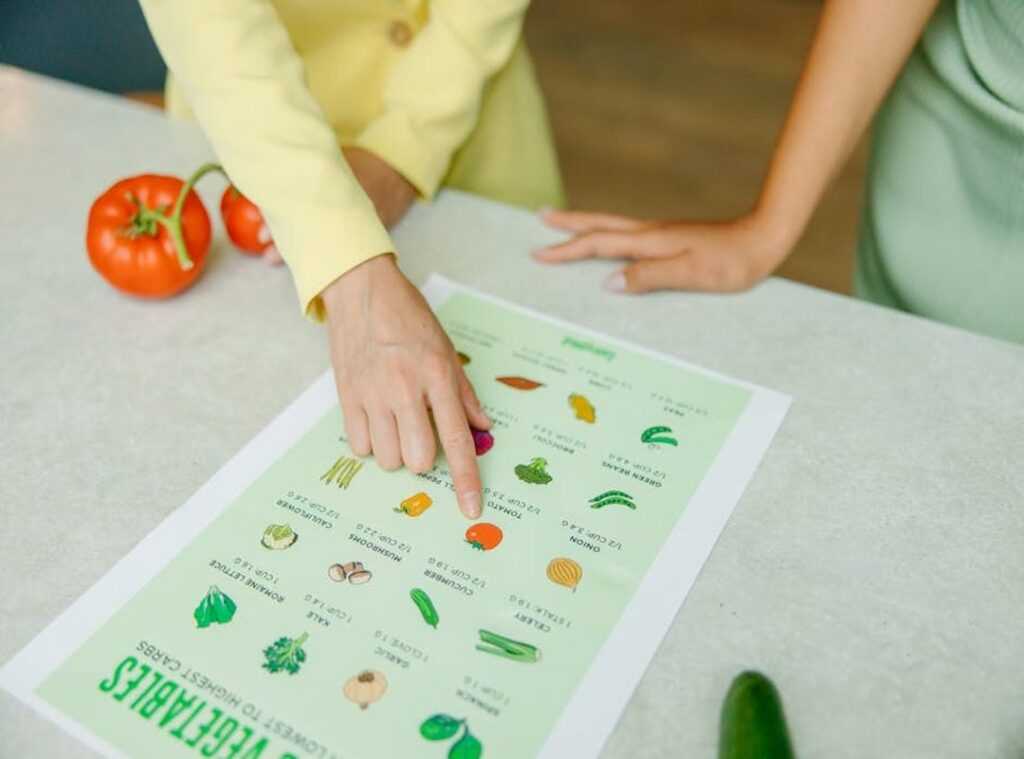
USDA’s MyPlate isn’t flashy. But its visual guides work with kids. I print the plate chart, cut out food pictures, and let my 6-year-old build meals.
No lectures. Just matching. It sticks better than anything I’ve tried.
Super Healthy Kids has weeknight recipes under 30 minutes (and) they work. Not “30 minutes if you’re a chef with pre-chopped everything.” Realistic timing. Their meal planner emails me a grocery list every Sunday.
I hit “print” and go.
A registered dietitian runs The Pediatric Nutritionist blog. She cites studies. Explains why iron matters at age 4.
Answers questions like “Is almond milk okay for toddlers?” (without) flinching. Science-backed, not trend-backed.
None of these are perfect. But they’re honest.
Most family meal sites assume you have time, money, or patience you don’t. These don’t.
You want a nutrition guide llblogfamily that doesn’t talk down to you? Start here.
Skip the apps that promise “stress-free” and deliver spreadsheets. Real life isn’t color-coded.
I stopped using meal-planning tools that required me to be someone else.
Try one. Stick with it for two weeks. See if dinner feels lighter.
That’s the only metric that matters.
Healthy Eating, Not Tech Overload
I hate apps that make food feel like homework.
You open one and suddenly you’re tracking macros, scanning barcodes, and debating whether “natural flavor” is code for “I have no idea what this is.”
So here’s what actually works.
Mealime builds a weekly plan and spits out one shopping list. No more scribbling on receipts or forgetting half the ingredients. I used it last Tuesday and bought exactly what I needed.
No wilted spinach. No mystery jar of tahini.
It’s not magic. It’s just smart sorting.
Then there’s Yuka. I pull it out while my kid stares at the cereal aisle. We scan the box.
It says “low nutrition score” and highlights added sugars. She asks why the rainbow-colored box has more sugar than my coffee. I don’t have an answer.
Neither does the cereal company.
Fooducate does something similar. But I prefer Yuka because it doesn’t talk down to you. Or to your 8-year-old.
Allrecipes? Yeah, it’s old-school. But those community reviews?
Gold. Someone wrote “subbed canned beans for dried. Saved 3 hours.” That’s better than any algorithm.
Filter by “gluten-free” or “on-hand pantry items” and stop pretending you’ll soak chickpeas overnight.
You can read more about this in healthy hacks llblogfamily.
Pro tip: Hand the phone to your kid. Let them pick the recipe. Let them scan the yogurt.
They’ll care more if they helped choose it.
(Yes, even if they pick the same thing three days in a row.)
That’s how habits stick. Not with lectures, but with shared screens and shared decisions.
If you want simple, real-world tricks instead of another app subscription, check out these healthy hacks llblogfamily.
No login required. No points system. Just stuff that fits your life.
I keep all three apps on my home screen. Not because I’m obsessed with data (but) because I’m tired of wasting time and food.
And honestly? My fridge looks less like a crime scene.
Beyond Screens: Real Food, Real Hands
I stopped letting my kids learn about food through apps. Too much screen. Not enough soil.
Growing Vegetable Soup by Lois Ehlert is the first book I reach for. It shows how seeds become soup (no) filters, no algorithms. Just dirt, sun, and a pot.
(Yes, it’s 30 years old. That’s why it works.)
The Little Red Hen teaches work before reward. Baking bread isn’t magic. It’s flour, yeast, time.
And yes. Your kid will ask to help knead. Let them.
Farmers’ markets aren’t just shopping. They’re field trips. We do a color scavenger hunt: find something purple (kohlrabi), something fuzzy (peaches), something that smells like rain (basil).
You’ll be surprised how fast “yuck” turns into “can I hold it?”
Libraries run free cooking classes for kids. Ours does “Taco Tuesday” with local chefs. No pressure.
Just chopping, tasting, laughing. Community gardens? Even better.
My son still remembers planting his first radish. And eating it raw, dirt and all.
These moments stick. Way more than any app or video.
They build a nutrition guide llblogfamily that lives in muscle memory, not bookmarks.
If you want deeper, practical support. Like how to handle picky eaters without power struggles or how to read labels without losing your mind. Start with the nutritional advice llblogfamily.
That page has real talk. Not theory. Not trends.
Just what works.
Stop Drowning in Nutrition Noise
I know you’re tired of sifting through conflicting advice. You just want something real. Something that works for your family.
This nutrition guide llblogfamily cuts through the noise. No fluff. No jargon.
Just trusted, simple starting points.
Pick one site or app from the list. Try it with your kids this week. That’s it.
Small steps add up. You’ve already done the hardest part (starting.)