What Cognitive Development Looks Like in Toddlers
Understanding how the brain grows during early childhood is key to recognizing when a child may need extra support. Between ages 1 and 3, children undergo rapid cognitive changes that lay the foundation for communication, learning, and problem solving later in life.
Typical Cognitive Functions Between Ages 1 3
During these early years, toddlers begin to demonstrate their developing thinking skills through daily interactions and play. While every child grows at their own pace, many milestones follow a general timeline.
Common Cognitive Abilities in This Stage:
Language growth: From babbling to forming short phrases
Memory: Recognizing familiar people, objects, and routines
Problem solving: Trying new ways to reach a toy or open a container
Attention span: Gradually increasing focus during play or simple tasks
Cause and effect: Learning that actions lead to predictable outcomes (e.g., pressing a button makes music play)
Why This Stage Matters
Early cognitive development sets the stage for nearly every part of a child’s growth social, emotional, and academic.
Key Reasons Early Identification Helps:
Brain plasticity is highest in the first few years, making intervention more effective
Delays caught early can often be managed or reversed with proper support
Parents and caregivers can adopt beneficial strategies sooner, improving long term outcomes
If you’re unsure whether your child is meeting expected milestones, observing day to day behavior and comparing it with general age guidelines can offer important insights.
Common Early Red Flags to Look Out For
Noticing delays in how your toddler plays, reacts, or communicates may be more than just a phase. Cognitive development in early childhood is tightly linked to how kids explore and respond to their environment. One early sign to watch for is struggling with simple problem solving tasks things like stacking blocks or figuring out a basic shape sorter. If they tend to give up quickly or don’t seem interested, it may signal challenges in understanding cause and effect.
Curiosity is another big hallmark of early learning. Toddlers normally poke, prod, and test everything. If your child isn’t exploring new toys or familiar spaces, it could point to developmental concerns.
Pay close attention to how they follow directions. If they consistently don’t respond to simple instructions like “bring me the ball” or “sit down,” even when they seem to hear you, that’s a flag worth noting.
Interactive play matters too. Games like peekaboo aren’t just for fun they teach social and cognitive skills. A lack of interest in these kinds of back and forth games can be a red flag.
Imitation is another major benchmark. Toddlers should be copying sounds, gestures, and facial expressions. Struggling here may signal a delay in how they observe and process social cues.
And finally, language. If there’s little to no babbling by 12 months or real words aren’t developing by 18 24 months, it may be time to start asking questions. Every kid’s different, but consistent delays across these areas aren’t something to ignore.
Warning Signs by Age

Tracking your toddler’s development can feel like a guessing game, but some signs are clearer than others. While every child develops at their own pace, falling far outside the typical range may be an early indicator worth noting.
By 12 months, your child should respond to their name and make consistent eye contact. If they don’t, it’s not always a red flag, but it’s something to watch. Avoiding gaze or not reacting to familiar voices could point to social or communication delays.
By 18 months, most toddlers are saying a few clear words and showing interest in objects and simple pretend play. If there’s still silence or disconnection no labeling toys, no apparent curiosity about the world it could suggest a lag in language or cognitive growth.
By 24 months, simple directions like “bring me the ball” or “go get your shoes” should register. Two word phrases like “more juice” or “go outside” should be part of their speech. A lack of both can raise questions about comprehension and expressive language.
By 36 months, kids typically ask basic questions like “what’s that?” or “where go?” They also dive into pretend play giving dolls voices or turning cardboard boxes into rocket ships. If your child isn’t asking or pretending by now, they may need more support.
These age based markers aren’t diagnoses, just signals. And spotting them early gives you a head start. For more thorough breakdowns by age, check out our full childhood milestones guide.
When to Seek Professional Support
Noticing signs of cognitive delay can be concerning, but you’re not alone and taking action early can make a significant difference. Here’s how to navigate the next steps.
Start with a Pediatrician
Your child’s pediatrician is your first and most important ally when developmental concerns arise. Be prepared to share specific examples and observations:
Note what behaviors are worrying you (e.g., lack of speech, no response to name)
Share when you first noticed these signs
Mention how frequently the behaviors occur and whether they’ve changed over time
These details help paint a clearer picture and allow your pediatrician to make informed recommendations.
What Developmental Screenings Involve
If your pediatrician agrees there may be cause for further evaluation, they may conduct a basic developmental screening or refer you to a specialist. Typical screening processes can include:
Standardized questionnaires (like the Ages & Stages Questionnaire)
Observational checklists based on milestones
Parent completed assessments
Short interactive tasks to assess communication, problem solving, and motor skills
These tools help determine if your child is on track or may need further evaluation.
Possible Referral Pathways
Based on screening results and your child’s needs, your pediatrician may refer you to one or more of the following professionals:
Speech Language Therapist: For children showing limited verbal expression or communication challenges
Developmental Pediatrician: Specializes in diagnosing and managing developmental or behavioral issues
Child Psychologist or Early Intervention Team: For in depth cognitive, emotional, or behavioral assessment
Remember: A referral is not a diagnosis. It’s a pathway toward understanding and supporting your child in the best way possible.
Seeking help isn’t a sign of failure it’s a proactive, powerful step forward.
Supporting Your Toddler at Home
Creating an enriching environment at home can make a meaningful difference in your toddler’s cognitive development, especially if delays are suspected. Small, everyday actions reinforce key developmental skills and strengthen the connection between parent and child.
Build a Language Rich Environment
The more words your child hears, the better. Consistent exposure to language, even during routine tasks, helps lay the foundation for comprehension and speech.
Narrate your activities: Describe what you’re doing as you go about daily routines (“Now we’re putting on your shoes. One foot, then the other.”)
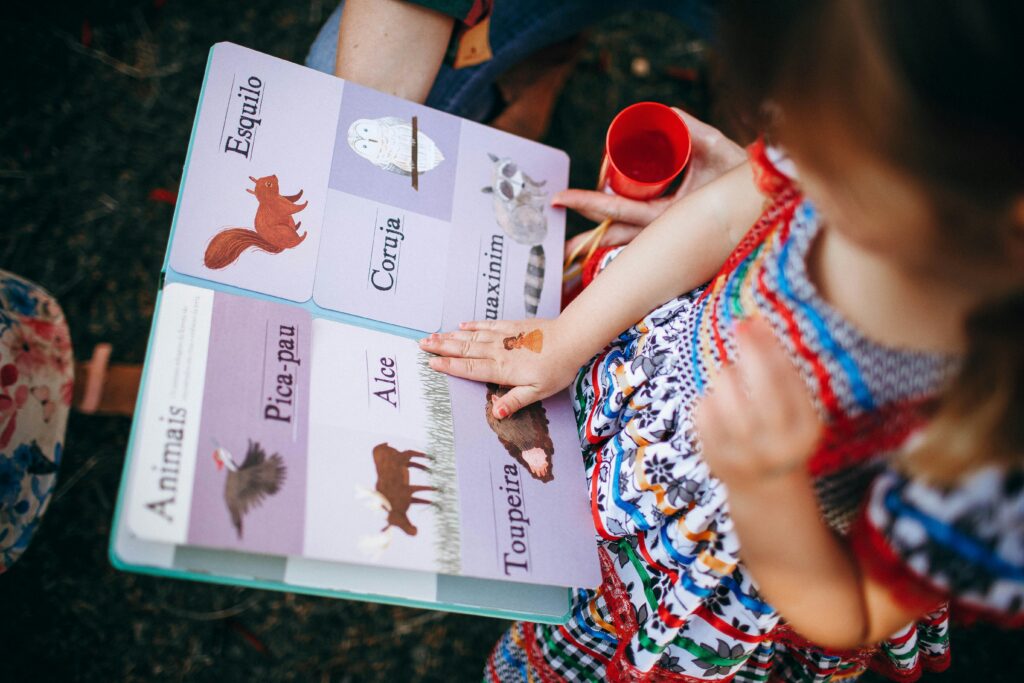
Read books together every day, even if your child isn’t speaking yet
Sing songs and nursery rhymes with gestures to support both memory and motor development
Foster Problem Solving Through Play
Simple games and toys can promote cognitive and motor skills, encouraging toddlers to think, react, and explore.
Offer stackable toys, shape sorters, and simple puzzles
Encourage open ended play: Let your child experiment instead of demonstrating how everything works right away
Play turn based games to build patience and focus
Balance Screen Time with Real World Interaction
Screens may seem like an easy distraction, but face to face interactions are far more valuable in early development.
Keep screen time minimal and intentional aim for co viewing when possible
Replace passive watching with social interaction, hands on play, and exploration
Be Patient and Consistent
Toddlers benefit greatly from consistency and encouragement. They may not respond right away, but persistence helps.
Celebrate attempts, not just results whether it’s a new word or trying to stack blocks
Repeat words and routines to support memory and recognition
Remain calm and responsive, even during frustrating communication moments
Supporting your toddler at home doesn’t require special tools it starts with time, attention, and consistent engagement in everyday activities.
Final Takeaways for Parents
Not every toddler follows the same timeline and that’s okay. Milestones aren’t deadlines. That said, early support can make a major difference if something is off track. Developmental delays don’t always go away on their own, and the earlier you act, the better the odds for progress.
Use check ins as a habit, not a panic button. Our childhood milestones guide is a solid, simple reference to see where your child is and where they might be headed next. Don’t wait for a teacher or relative to say something.
If your gut says something’s off even if it’s small listen to it. You don’t need proof or permission to get answers. A screening now is far better than regret later. The best time to act is the moment you wonder if you should.