
You just posted your kid’s first tooth photo online.
And then you paused.
What happens when they’re twelve and Google it? When their teacher sees that diaper blowout story? When college admissions officers scroll back through your feed?
I’ve watched parents wrestle with this for years.
Not theoretical stuff. Real families. Real consequences.
A teen who begged their mom to delete five years of posts. A dad who got flagged by child services over a vague caption.
This isn’t about guilt. It’s about clarity.
which advice should be given to parents who llblogfamily
I don’t give vague warnings like “think twice” or “be careful.”
I give age-specific boundaries. Legal red flags most bloggers miss. Emotional guardrails based on how kids actually develop (not) how we wish they would.
I’ve reviewed hundreds of family blogs. Spoken with pediatricians, privacy lawyers, and teens who grew up online.
You’ll get concrete steps. Not philosophy. Not fear.
Just what to post. And what to skip (at) every stage from newborn to high school.
No fluff. No jargon. Just real talk for real parents.
Consent Isn’t Signed. It’s Grown
I started posting about my kid at six weeks old. No one asked them. No one thought to.
Turns out, that first photo sets a precedent. Not just for privacy, but for how they’ll understand consent later.
Developmental psychologists call this “digital identity scaffolding.” (Yes, that’s the real term.)
Kids internalize early who controls their image, voice, and story.
Skip it, and you’re not just sharing. You’re outsourcing their autonomy.
Here’s how I broke it down with my daughter:
Pre-verbal: I asked her pediatrician, not just my mom, before posting anything health-related. (That’s why I checked the health llblogfamily guidance early.)
Toddlers: She picked which of two photos went up. Not “yes/no”. this one or that one.
School-age: We edited captions together. She crossed out words she didn’t like. Teens: She rewrites my drafts.
Or deletes them entirely. Good.
Three real consent moments:
Choosing which school art photo goes live. Naming her own blog post (“My Science Fair Disaster”). Reviewing an old post before I shared it in a parenting group.
That “just family” excuse? I’ve seen those posts pop up in college interviews. That “they’ll never see it” promise?
Broken by a classmate’s Google search.
Which advice should be given to parents who llblogfamily? Start small. Start now.
Let them hold the cursor before they hold the mic.
Privacy by Design: Real Boundaries, Not Just Checkbox Stuff
I turned off geotagging on my phone before my kid could walk. Not because I’m paranoid. Because I’ve seen how fast a photo timestamp + location turns into a street address.
Here are the five settings I treat as non-negotiable:
- Geotagging off
- No facial recognition enabled
- No school or neighborhood names in bios or posts
- No birthdates or medical details (even vague ones like “she’s been managing asthma since age three”)
- No third-party analytics that track minors
You think WordPress is safe? Think again. Go to Settings > Reading and disable full-text RSS feeds.
They leak everything. Even password-protected posts. To anyone who grabs your feed.
Then check your archive pages. Are they indexed? Google them.
If they show up, go to Settings > Privacy and block search engines now.
I use the 10-Year Test: Would I want this visible when my child is 16? Not “is it cute now?” Not “does it get likes?” But: *Would they cringe? Feel exposed?
Have to explain it later?*
Before you hit publish, ask:
- Does this protect their safety? – Does it uphold their dignity? – Is it factually accurate. Not just emotionally true? – Does the tone serve them, not my narrative?
Which advice should be given to parents who llblogfamily? Start here. Not later.
Turning Moments into Stories (Without) the Cringe
I used to post my kid’s shoe-tying meltdown like it was a sitcom gag.
Then I asked myself: Who’s the punchline here?
Exploitative storytelling isn’t just mean (it’s) lazy. “Funny fails” that mock developmental stages aren’t cute. They’re dehumanizing.
Respectful framing starts with asking three questions before you hit post. Does this reflect the child’s perspective? Does it honor their growth (not) just my convenience as a parent?
Does it avoid flattening them into a trope?
That’s the Three-Lens Filter. Use it. Or don’t post.
Here’s what works instead:
Milestone reflection (“Today we tried laces again (and) she held the loop steady for six seconds”). Seasonal rhythm (“Maple syrup on pancakes, same bowl, third fall in a row”). Family ritual (“Dad hums off-key.
She leans in. No words needed”). Gentle challenge (“We sat with the tantrum.
Not to fix it. Just to be there”).
Which advice should be given to parents who llblogfamily?
Start by deleting the “before and after” comparison posts.
Writing about meltdowns or therapy? Say what happened, not what it means. Let the child keep their dignity.
Their story isn’t your content.
And if you’re also thinking about meals, energy, or how to eat well together, check out nutritional advice for couples llblogfamily.
Your kid isn’t a character. They’re a person. Treat them like one.
When to Hit Pause on Family Posts
I stopped posting my kid’s birthday videos after she asked, “Why is everyone watching me eat cake?”
That was the first red flag. The second? A stranger commented on her tooth gap.
Third? The platform updated its privacy policy. And I couldn’t understand half of it.
Fourth? She turned 12. Fifth?
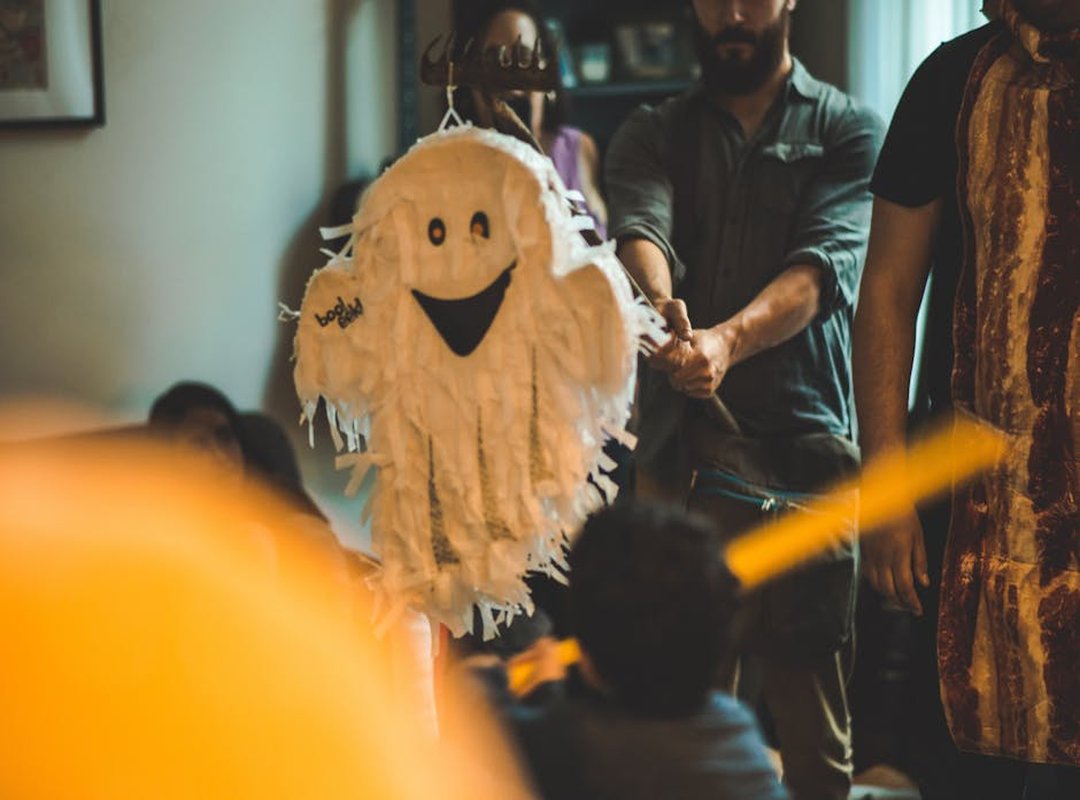
A brand DM’d me about “sponsoring” her Halloween costume post.
You feel that knot in your stomach. You know it. Which advice should be given to parents who llblogfamily? Pause before you post (not) after.
Archiving isn’t deleting. Archiving means locking it up where only family can find it. Deleting erases it (and) sometimes breaks links, memories, or context.
I keep a local folder named “Family Archive 2024”. Encrypted with VeraCrypt. Then I back it up to a private cloud drive.
I tag files like “age 5. Okay to share at 18”. Yes, really.
Talk to your kid early. Say: “These posts exist. They’re part of our story.
But you get to decide what stays public.”
Ask: “How would you feel if someone saw this in five years?”
They’ll surprise you with how much they already know.
Family Blogging Isn’t About Followers. It’s About You
I stopped posting publicly after six months. My kid’s first steps got 47 likes. My panic attack at the pediatrician?
Zero engagement. And honestly? I didn’t miss it.
Which advice should be given to parents who llblogfamily? Start private. Not “maybe later.” Now.
Shared Google Docs work. Voice notes dumped into a family drive work. A quarterly PDF newsletter (just) one page, just photos and three sentences (works.) I made mine in Canva while my toddler napped.
Took 18 minutes.
Thirty minutes a week is the hard cap. Not aspirational. Not “if I have time.” Non-negotiable. Rotate who writes.
My partner handles summer stories. I do winter. Our kid draws the cover (badly.
And we keep every version).
This isn’t just about your child growing. It’s about seeing yourself change. That sharp-edged mom from March?
She’s softer now. You’ll spot it in the margins of old entries.
That shift (from) performance to preservation (is) everything.
If you want real grounding. Not metrics. Check out the Health llblogfamily guide.
It walks through how to track emotional stamina alongside diaper changes.
Start Your Family Blog With Intention. Today
I’m not asking you to get it right. I’m asking you to get it true.
This isn’t about viral posts or perfect grammar. It’s about showing up for your family. Not the algorithm.
You already know what matters most. So use the which advice should be given to parents who llblogfamily test before you hit publish. Ask: Will this still feel okay ten years from now?
If it doesn’t pass? Delete it. Or rewrite it.
Or sit on it.
Most parents panic about privacy, consent, or oversharing (and) then do nothing. That silence is louder than any post.
Pick one thing from this guide. Just one. The consent system.
The privacy checklist. Do it fully this week.
Watch how your shoulders drop. How your breath slows. How your confidence shifts (not) because it’s perfect, but because it’s yours.
Your child’s story is sacred. Not content. Let your blog be the quiet keeper, not the loud curator.